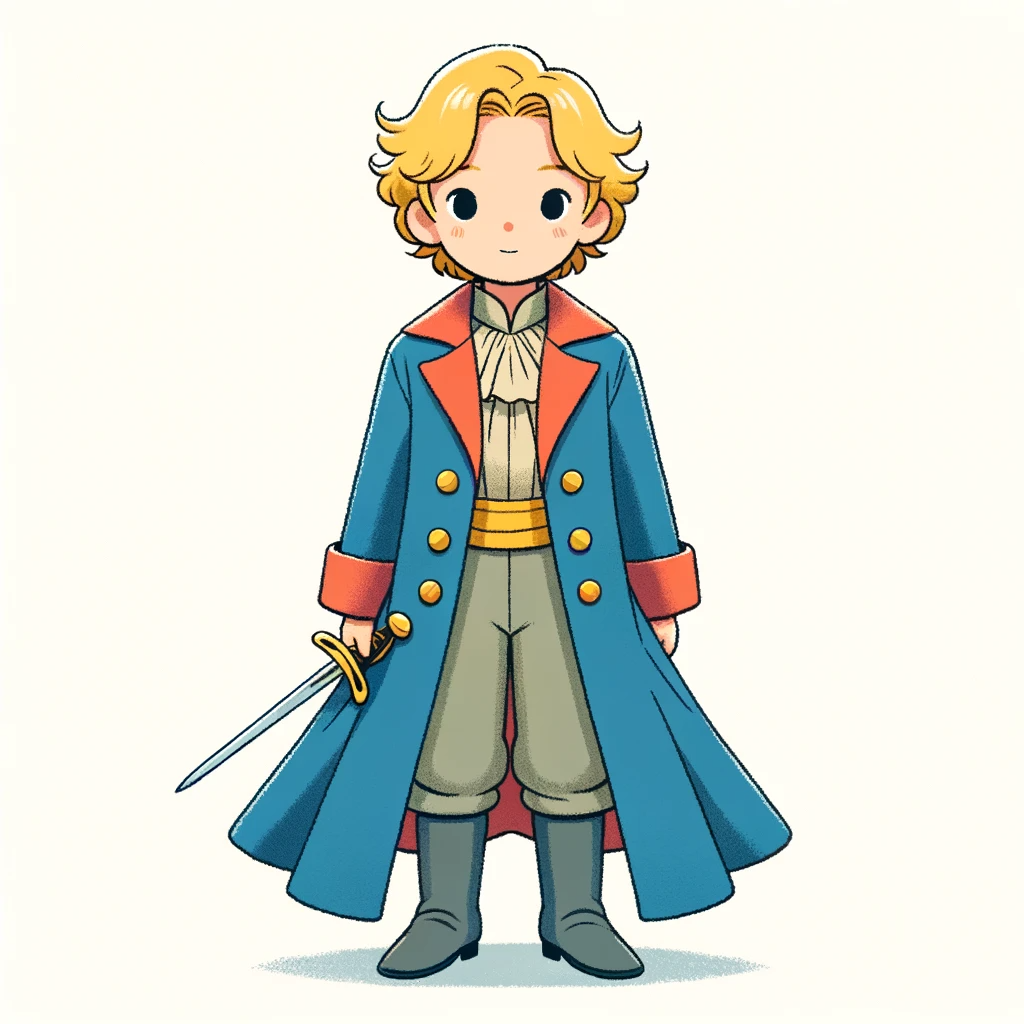
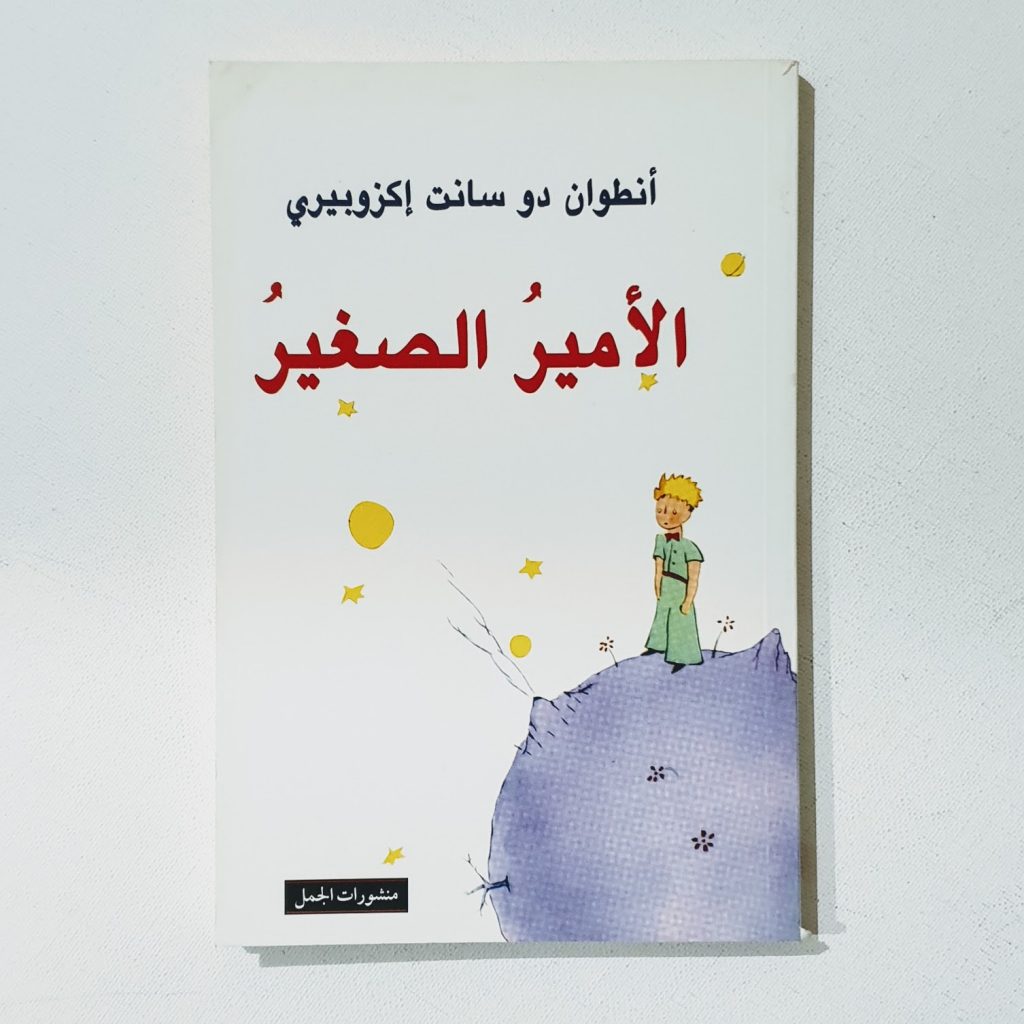
الأمير الصغير(Al Amirus Shaghir), in Arabic language.
Arab (العربية, al-ʿarabiyyah) belongs to the Central Semitic branch of the Afroasiatic family, placing it in close kinship with Hebrew (עברית, ivrit) and Aramaic, the ancient lingua franca of the biblical Near East still spoken today in scattered Syriac speaking communities. All three share the Semitic hallmark of building words from short, mostly triliteral consonantal roots, so that ك ت ب, k t b, the root bound up with writing, yields kitab, book, katib, writer or clerk, maktaba, library, and dozens more without a single consonant of the root ever changing, a system of derivation almost architectural in its regularity.
Arabic’s classical form was fixed by two forces working together: a rich pre Islamic oral poetic tradition, epitomised by the Muʿallaqat, the seven hanging odes reputedly once suspended at the Kaaba in Mecca, and then, decisively, the revelation of the Quran, القرآن, al Quran, in the seventh century, a text so bound up with the language’s own prestige that Classical Arabic has been preserved, studied and imitated for fourteen centuries very largely because it is the language of Islam. That prestige carried Arabic, on the back of trade, from the Atlantic coast of Morocco to the Gulf and beyond, but the spoken language that actually travelled with merchants, soldiers and settlers drifted steadily from its literary anchor, producing today’s patchwork of regional vernaculars, Maghribi, Egyptian, Levantine, Gulf and many more, often as different from one another as French is from Italian, even as every one of their speakers continues to read, pray and watch the news in something close to the fixed classical standard, الفصحى, al fusha, the eloquent tongue.
That gap between a spoken vernacular and a shared literary standard, formally called diglossia, is arguably Arabic’s single most distinctive feature among the world’s major languages, giving every literate Arabic speaker a kind of permanent bilingualism within one name. Officially recognised in some twenty two countries and spoken by upward of four hundred million people, Arabic also produced one wholly unexpected offshoot within Europe itself. Maltese, descended from the Arabic once spoken across Sicily before its Muslim population was expelled in the thirteenth century, kept its Semitic verb system and core vocabulary while dressing them in a Latin script and a heavy coat of Italian and English words, emerging as the only Semitic language among the European Union’s official tongues. From that unlikely Mediterranean outpost back to its Aramaic and Hebrew siblings further east, Arabic sits at the centre of a family whose members can look astonishingly alike on the page, sharing roots, grammar and even entire words, while sounding, to an untrained ear, like entirely different worlds.