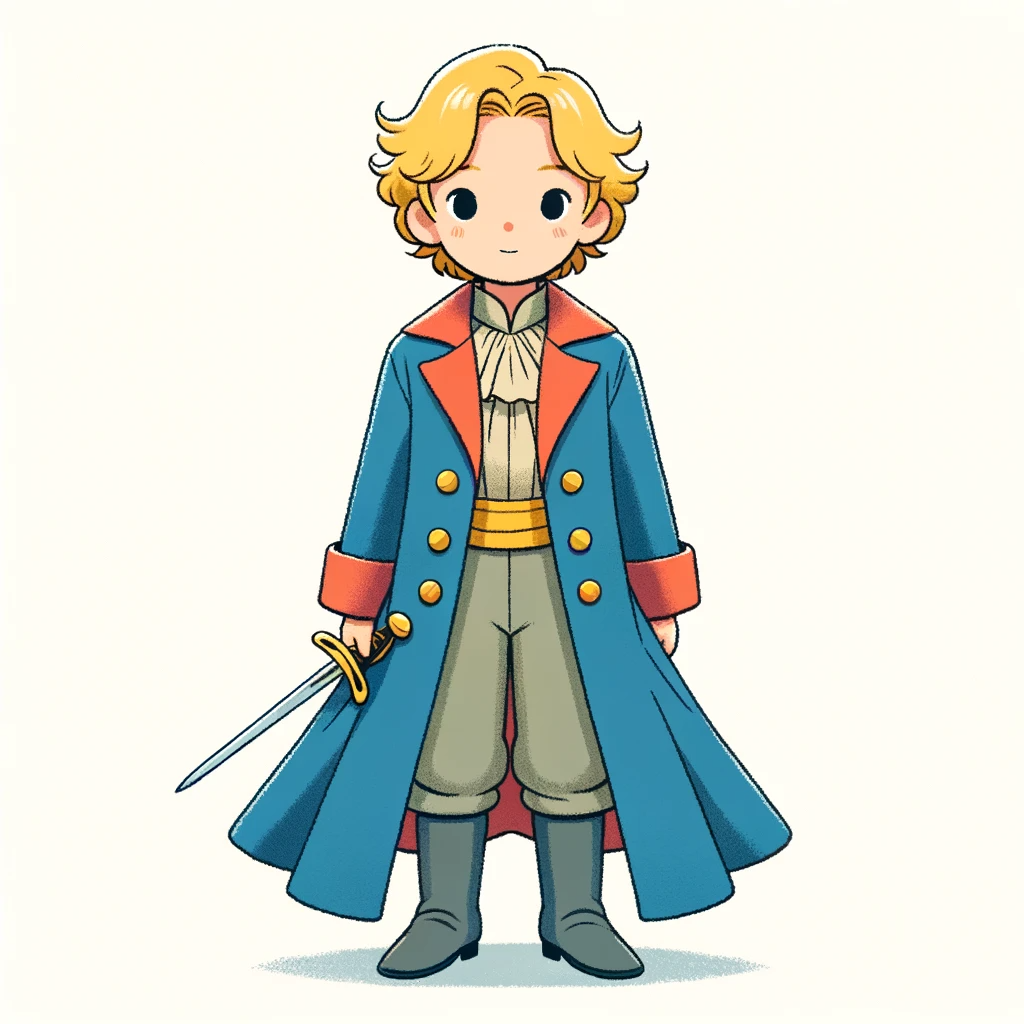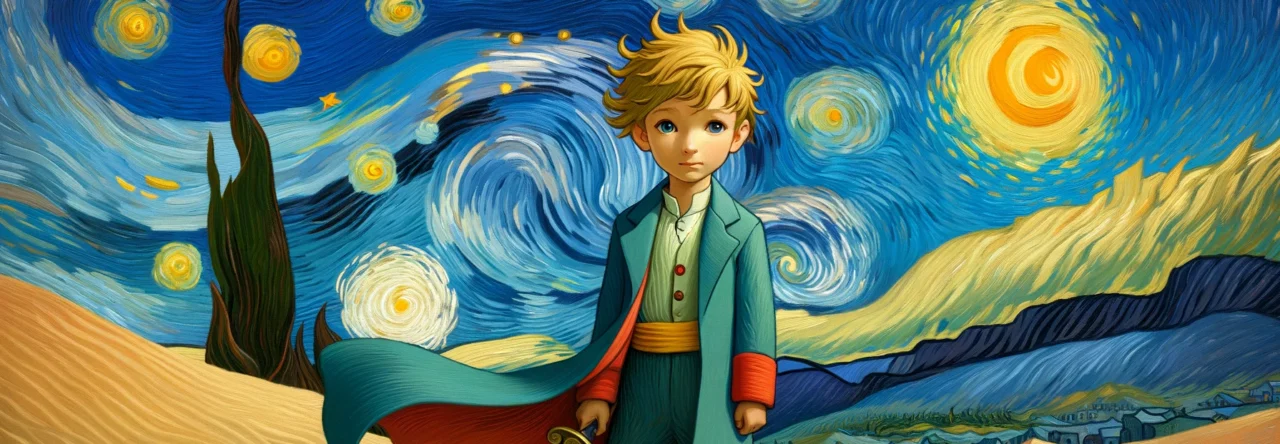

Y Tywysog Bach, in Welsh.
Welsh (Cymraeg) is the language of Wales and the most widely spoken of all the Celtic languages. It is heard in the slate villages of Snowdonia, the farms of Ceredigion, the market towns of Carmarthenshire and the streets of Cardiff, and it has travelled as far as Patagonia, where Welsh settlers who sailed on the Mimosa in 1865 founded a colony, Y Wladfa, whose descendants still speak it in the valley of the Chubut. Welsh is a direct descendant of the Brittonic language spoken across most of Britain before the arrival of the Romans and the Anglo-Saxons, which makes it one of the oldest living languages of Europe and, in a very real sense, the original language of the island.
Welsh literature is one of the most ancient in Europe. Its first great poems, attributed to Aneirin and Taliesin, were composed in the sixth century in the Old North, the Brittonic kingdoms of what is now southern Scotland and northern England, and Y Gododdin laments the warriors who fell at the battle of Catraeth. The medieval tales of the Mabinogion, full of enchantment and early Arthurian legend, the laws of King Hywel Dda and the exquisite love poetry of Dafydd ap Gwilym followed. In 1588 Bishop William Morgan published his translation of the Bible, which gave Welsh a dignified standard and is often credited with saving the language. The Eisteddfod, a festival of poetry and music whose roots reach back to 1176, still crowns its finest poets in a chair each year.

Welsh belongs to the Brittonic branch of the Celtic languages, together with Cornish and Breton, while Irish, Scottish Gaelic and Manx form the Goidelic branch. Its grammar is a world apart from English. The verb usually comes first in the sentence, and the beginnings of words change according to the words before them, in the famous initial mutations, so that Cymru, Wales, becomes yng Nghymru, in Wales. The alphabet includes letters such as ch, dd, ff, ll and rh, and the double ll, a breathy sound made with the tongue against the roof of the mouth, is one of the most celebrated sounds of any European language. Its poets still write in cynghanedd, an intricate system of alliteration and internal rhyme.
The 2021 census recorded about 538,300 people (17.8% of the population of Wales) aged three and over as able to speak Welsh. The Welsh Government’s Annual Population Survey gives a higher figure: about 845,200 people, or 27.4% of the population, for the year ending June 2026. The Welsh Language (Wales) Measure 2011 gave the Welsh language de jure official status in Wales, with English being de facto official. The Welsh Government aims for one million Welsh speakers by 2050, under the Cymraeg 2050 strategy. Welsh is the most vibrant of the Celtic languages in terms of active speakers, and UNESCO places it in its least severe category, vulnerable. With its own television channel, S4C, Welsh medium schools and a lively music scene, it is a living proof that a minority language can thrive in the modern world.