
Pangeran Kecil — in Indonesian language.
Indonesian language (Bahasa Indonesia) belongs to the Malayic branch of the vast Austronesian family, a language family whose reach is almost unmatched anywhere on earth, stretching in one continuous arc from Madagascar off the African coast to Easter Island far out in the Pacific. It descends directly from Malay (Bahasa Melayu), the language that for over a millennium served as the lingua franca of maritime Southeast Asian trade, carried by merchants, sailors and scholars along the Straits of Malacca long before any notion of an Indonesian nation existed. What makes the language so compelling is precisely this inherited character as a language of contact and commerce rather than of a single ethnic homeland, so that from its earliest recorded form it was already a bridge language, spoken fluently by people who called dozens of different mother tongues their own.
Its documented history stretches back further than most people realise, to the Old Malay (Melayu Kuno) inscriptions of the Srivijaya (Sriwijaya) maritime empire, the Kedukan Bukit inscription of 683 AD among the oldest surviving Malay texts anywhere. Through the centuries that followed, Malay absorbed successive waves of outside influence, first Sanskrit during the long Hindu Buddhist era of Java and Sumatra, then Arabic as Islam spread through the archipelago, later Portuguese and Dutch as European trading powers established their footholds. The decisive modern turn came in 1928, when nationalist youth gathered in Batavia and swore the Youth Pledge (Sumpah Pemuda), declaring one nation, one people and, crucially, one language, choosing Malay over the coloniser’s Dutch and over Javanese, the tongue of the archipelago’s most populous ethnic group, as the shared national language that would become Indonesian upon independence in 1945.
That choice is itself the source of one of the language’s most striking features, its deliberate, almost engineered egalitarianism. Unlike Javanese, with its elaborate system of speech levels that encode social rank into nearly every sentence, Indonesian was adopted precisely because it belonged to no single ethnic group and carried none of that hierarchical baggage, making it a genuinely neutral meeting ground for a nation of more than seven hundred living languages. Grammatically it is refreshingly economical, dispensing with verb tense and grammatical gender altogether and instead conveying meaning through context, time words and a distinctive system of affixes.
Indonesian’s relationships with the languages around it remain vividly alive today. It stands closest of all to Malaysian Malay (Bahasa Malaysia), its near twin across the Straits, the two having diverged only administratively since the colonial era split them between Dutch and British spheres, yet it continues to draw energy from the hundreds of regional languages still spoken across the archipelago, Javanese, Sundanese, Minangkabau and countless others, which lend it vocabulary and colloquial texture even as it binds their speakers together. In this sense Indonesian remains what it always was at heart, not the ancestral tongue of any one people but the living, evolving thread that lets an extraordinarily diverse nation of islands speak, quite literally, with one voice.
First Editions
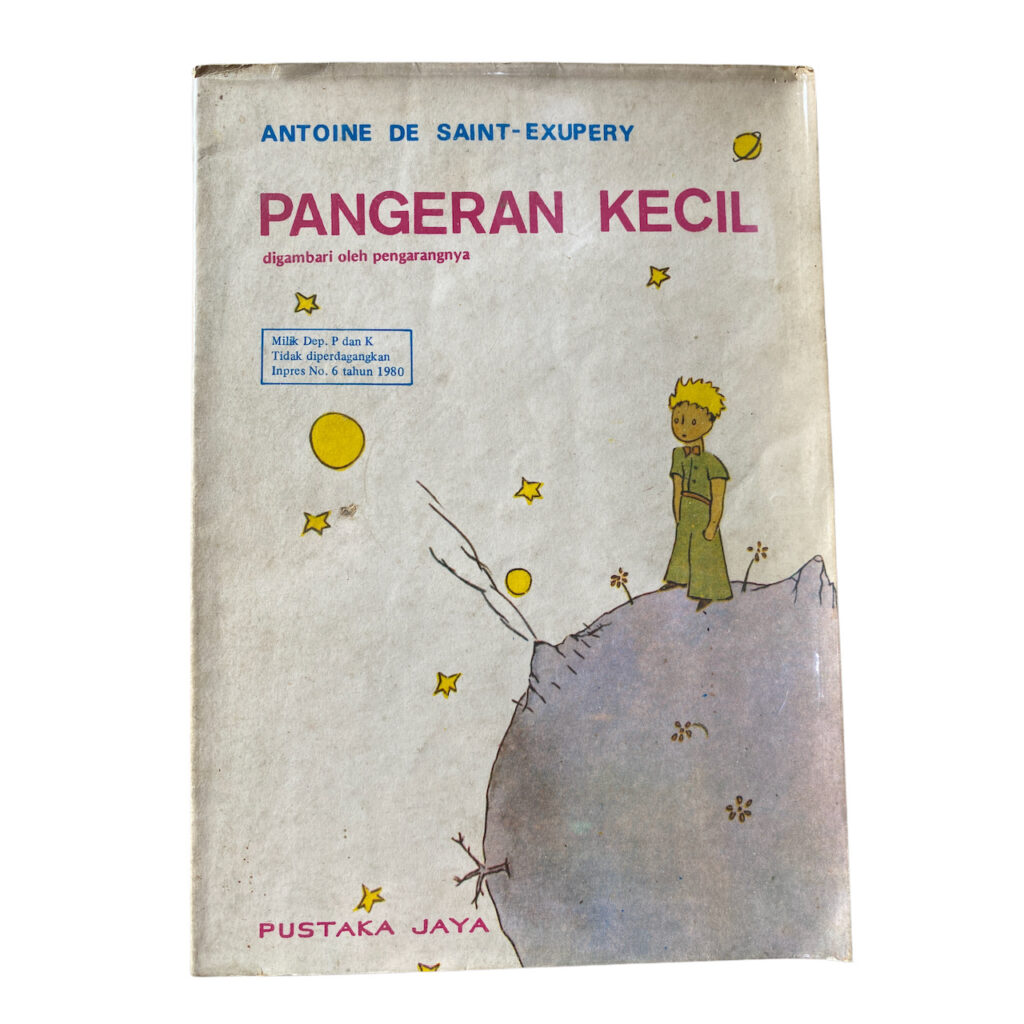
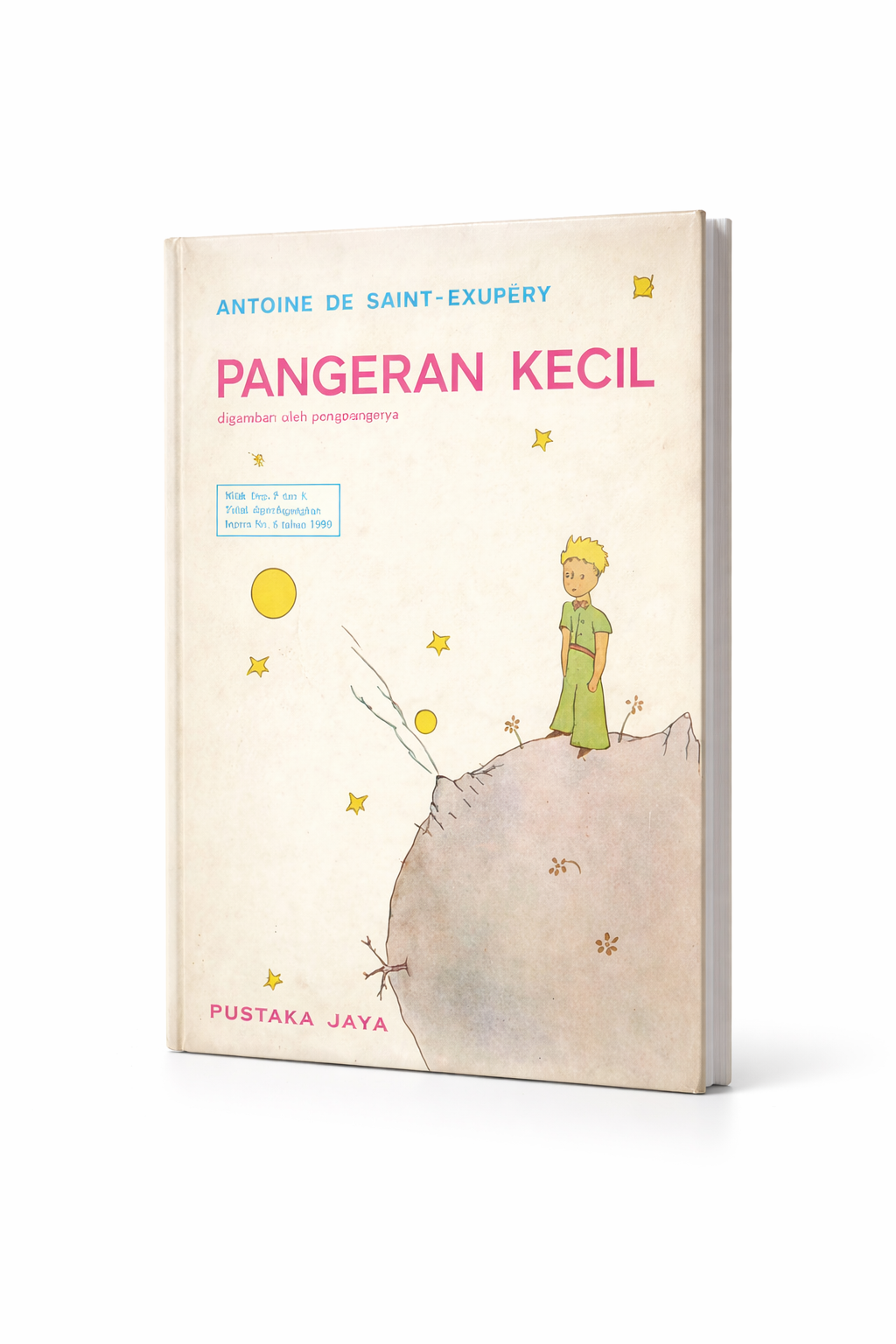
The first Le Petit Prince translation in Indonesian language is Pangeran Kecil, published by Pustaka Jaya in 1979. The translation process started when an Indonesian poet, Wing Karjo Wangsaatmadja, asked his students at Padjadjaran University to make a project to translate Le Petit Prince into Indonesian language.
The blue box on the cover mentioned that this book “Belongs to the Ministry of Education and Culture. Not for Sale. Presidential Order No 6/1980.” It was quite difficult to find this book, even in Indonesia. I found this one in a flea book market of Palasari, in Bandung city. I consider this book too valuable, so I read it only once. Then I read Le Petit Prince more in English and French editions.
Standard Editions
Jendela 2003
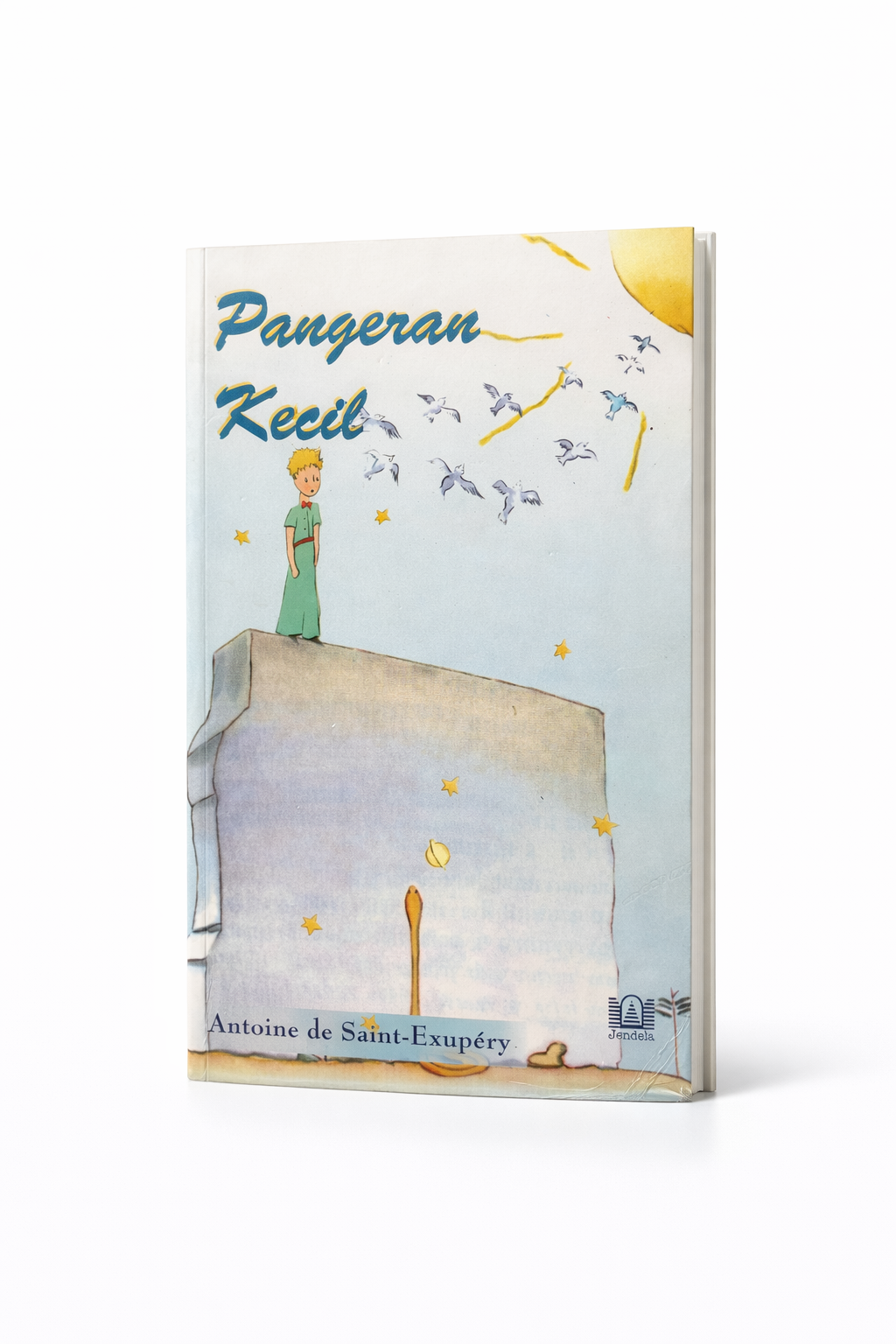
This book was published by Jendela publisher in Yogyakarta, 2003. But after getting an information that Gramedia (a quite bigger publisher) had a plan to republish another LPP translation, this little publisher chose to stop the printing and distribution. Or at least that was what I read somewhere a couple years ago.
Gramedia 2003
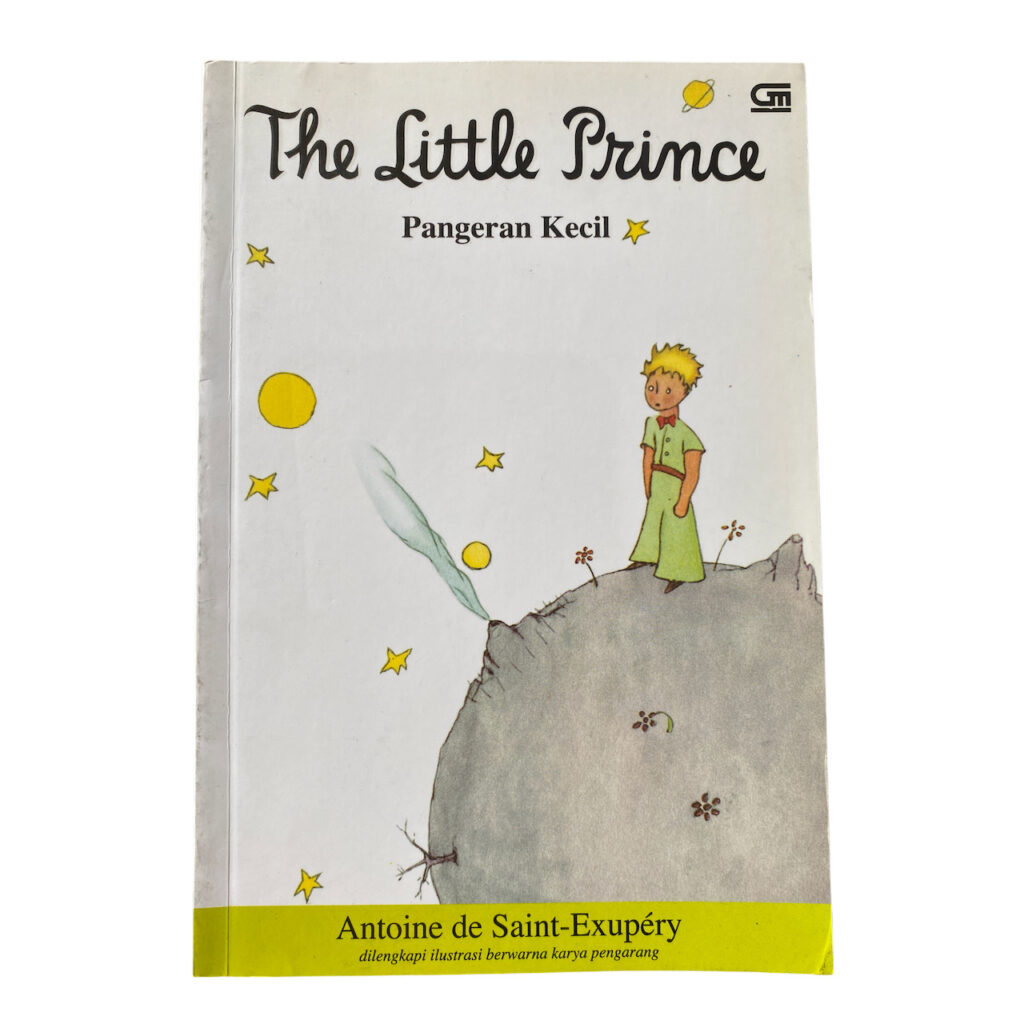
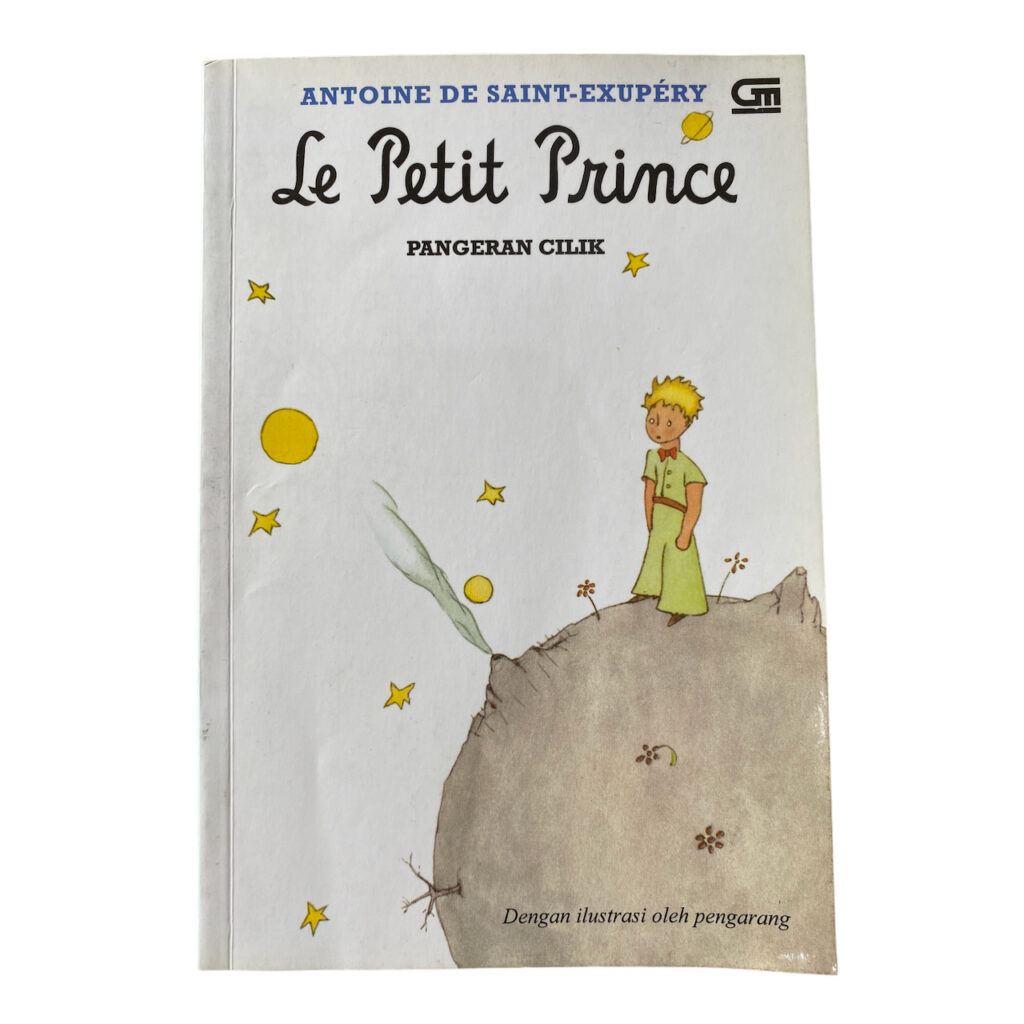
Two translations by Gramedia: one from English edition (The Little Prince / Pangeran Kecil), and another from French edition (Le Petit Prince / Pangeran Cilik). Like many Gramedia translation book, the book titles are kept in their original language, subtitled by the Indonesian translation of the title. These translations were considered a great success in sales & distribution. Unfortunately, after 2011 they stopped the distribution — until after a movie successfully boost public interest to LPP.
Gramedia 2007
Kakatua 2021
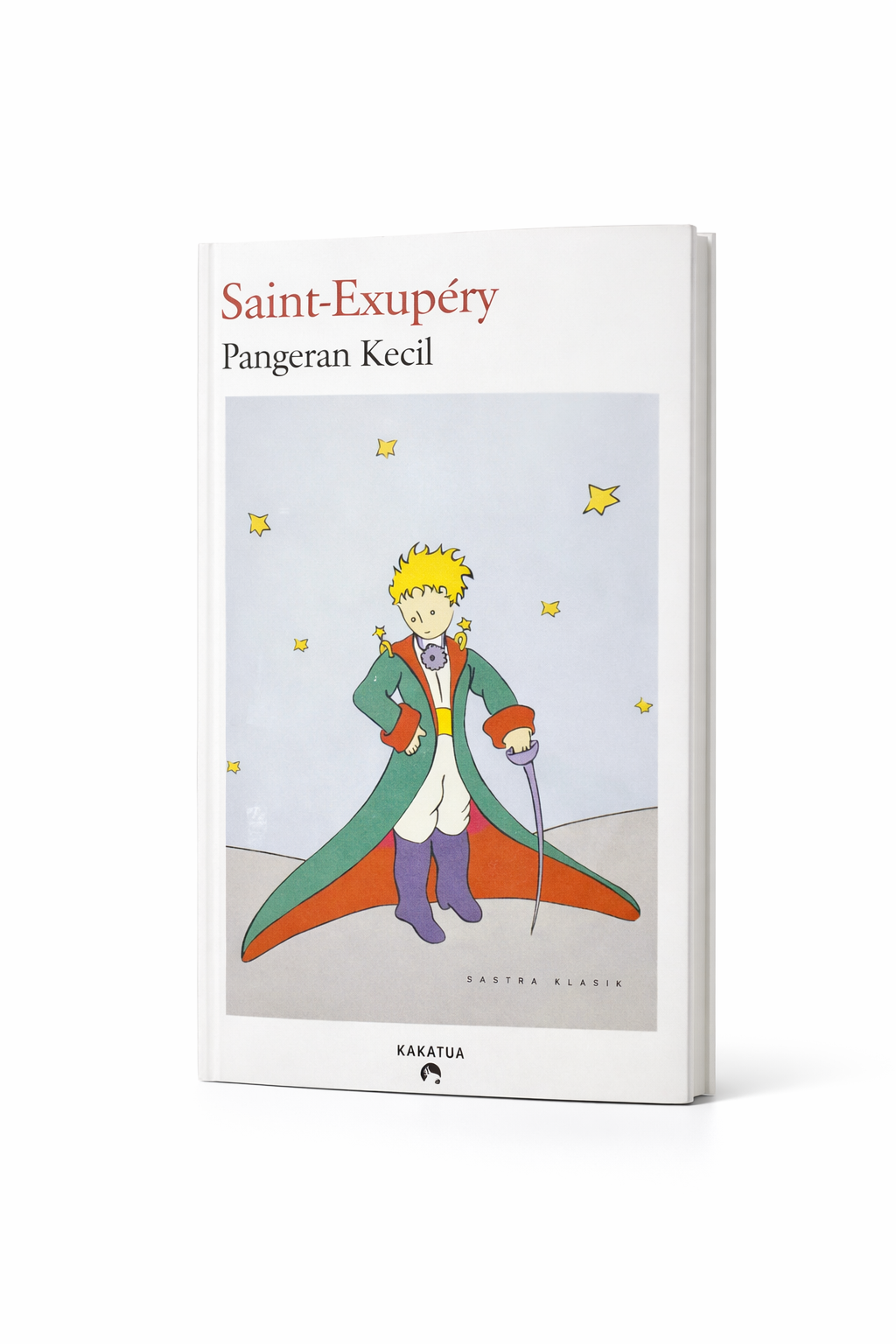
This book is published by Kakatua in Yogyakarta. It is a part of the publisher’s classical literature series. The translators are Andreas Nova and Nurul Hanafi.
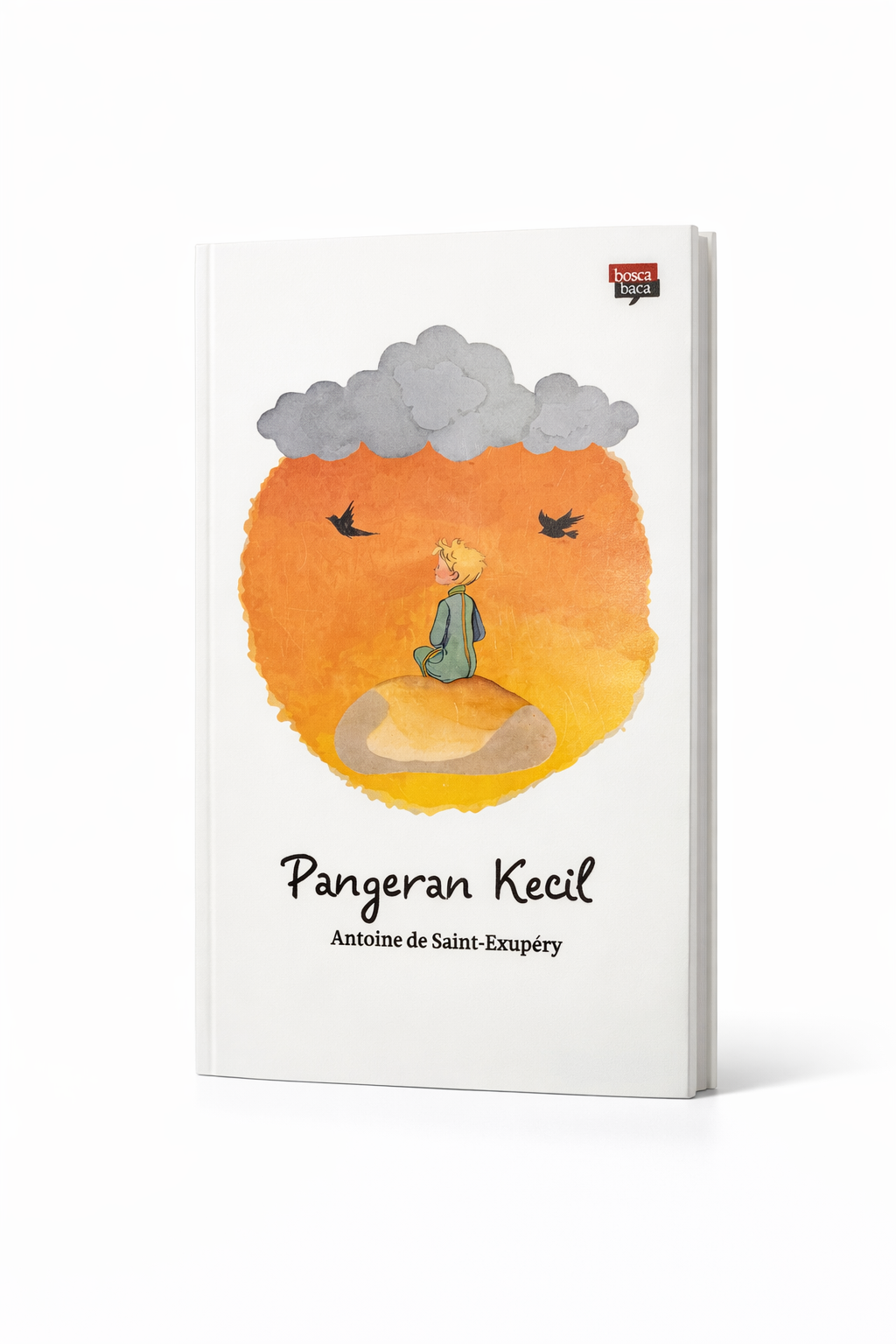
Bosca Baca 2025
Special Collector Editions
Koen’s Edition
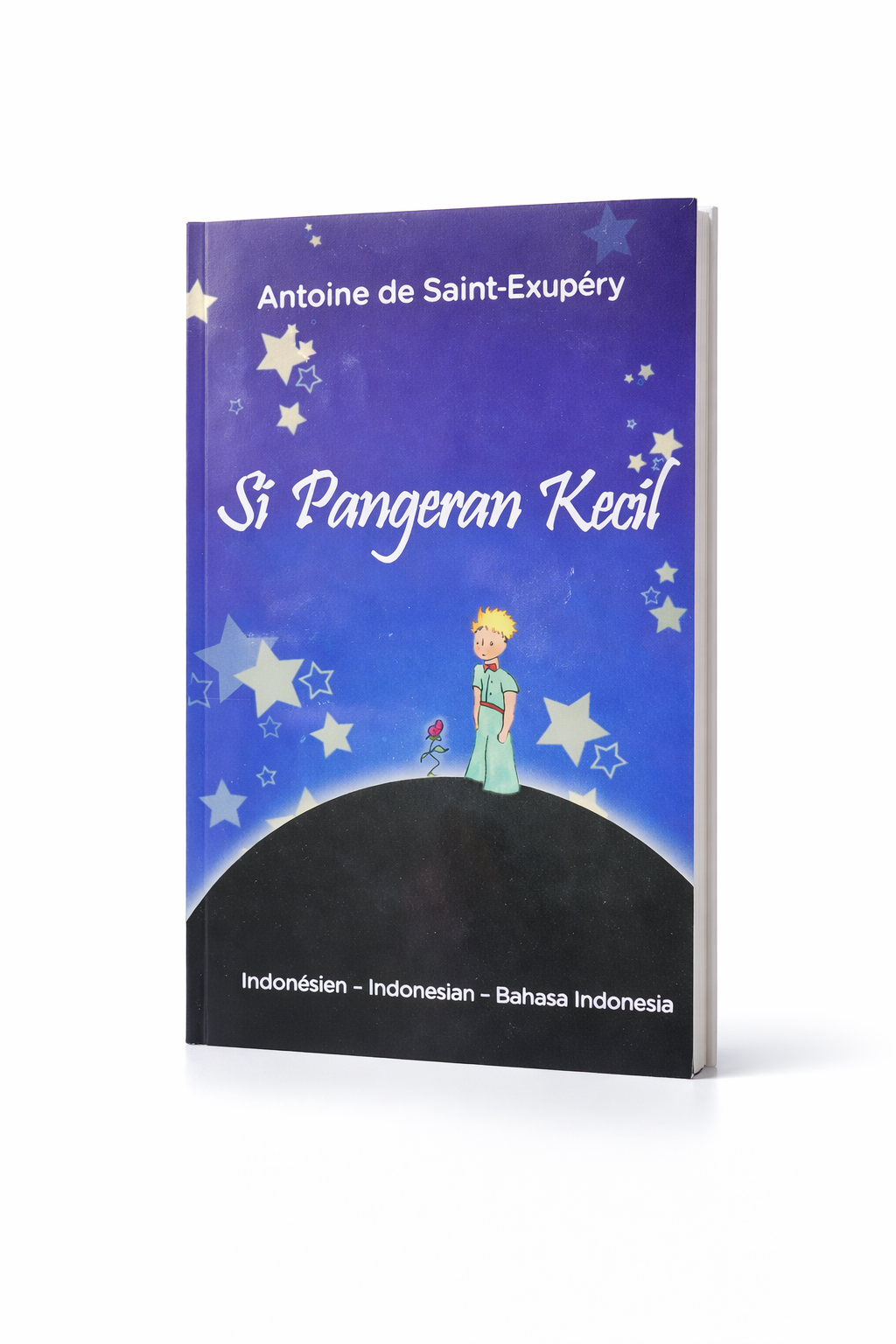
Si Pangeran Kecil, 2013. Experiencing the difficulty to find an Indonesian translation for fellows LPP enthusiasts overseas, I started to translate the book myself. This translation was written to commemorate the 70th anniversary of the publication of Le Petit Prince. I wrote this translation while travelling to some Indonesian cities, including Makassar, Semarang, Palembang, Denpasar, Bandung, and Jakarta. The source of the translation was a text in french, found in Australian Gutenberg project website.
I found a local publisher willing to publish this book. But the progress was awfully slow. Then I decided to self-published it via Lulu, so any LPP lovers can buy it directly from Lulu with virtually no constraints.
80th Anniversary Edition
In 2018, this book was republished with standardised illustration throughout the book (drawing position etc).
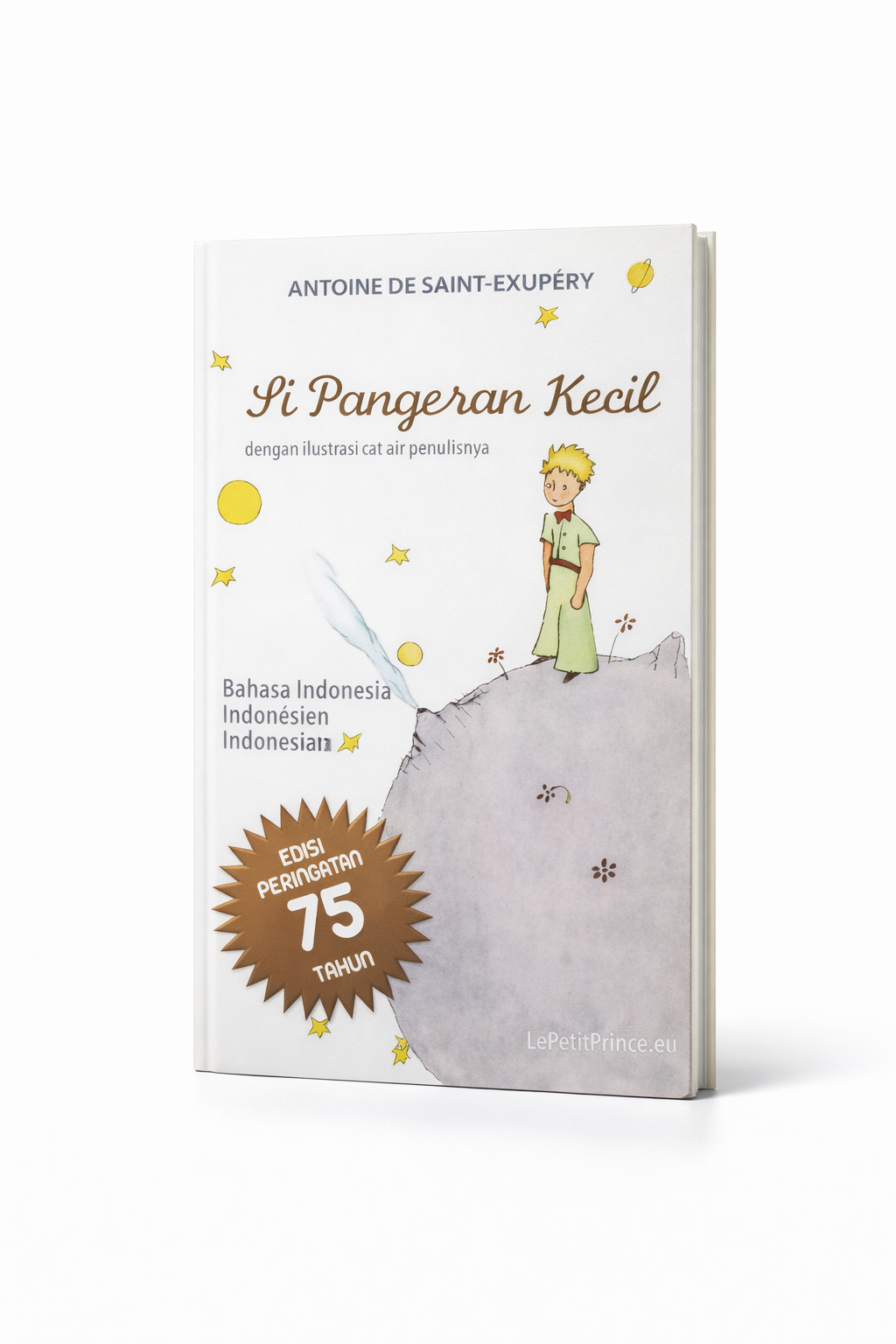
Softcover edition: [LINK]
Hardcover edition: [LINK]
Graphics Novel Edition
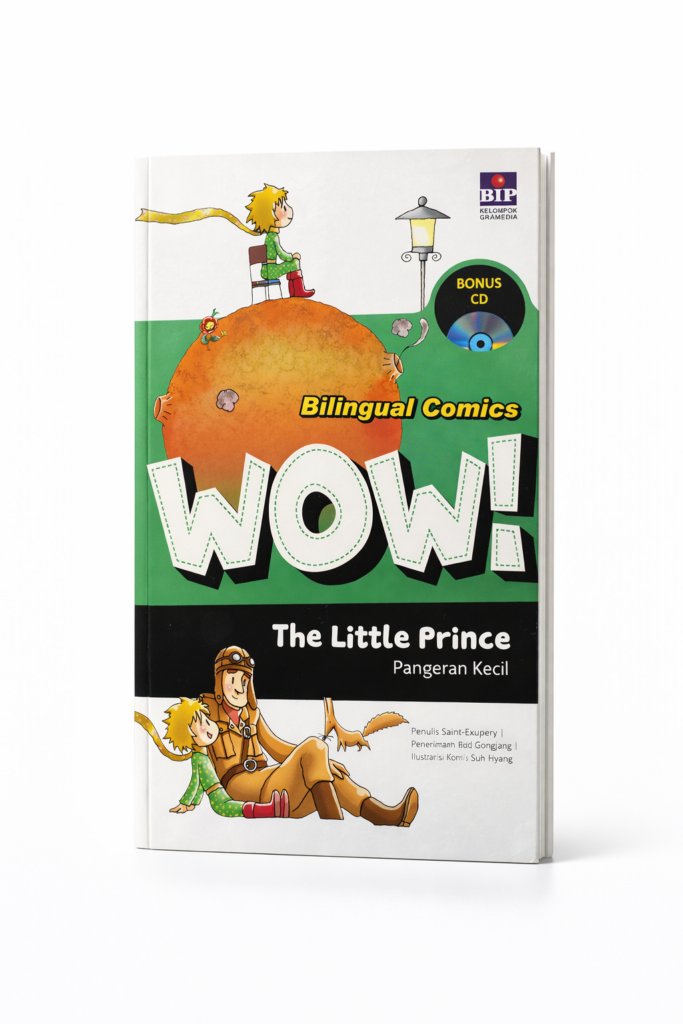
Wow: The Little Prince / Pangeran Kecil is a bilingual graphics novel translated from the Korean edition, illustrated by Lee Chan-wong.