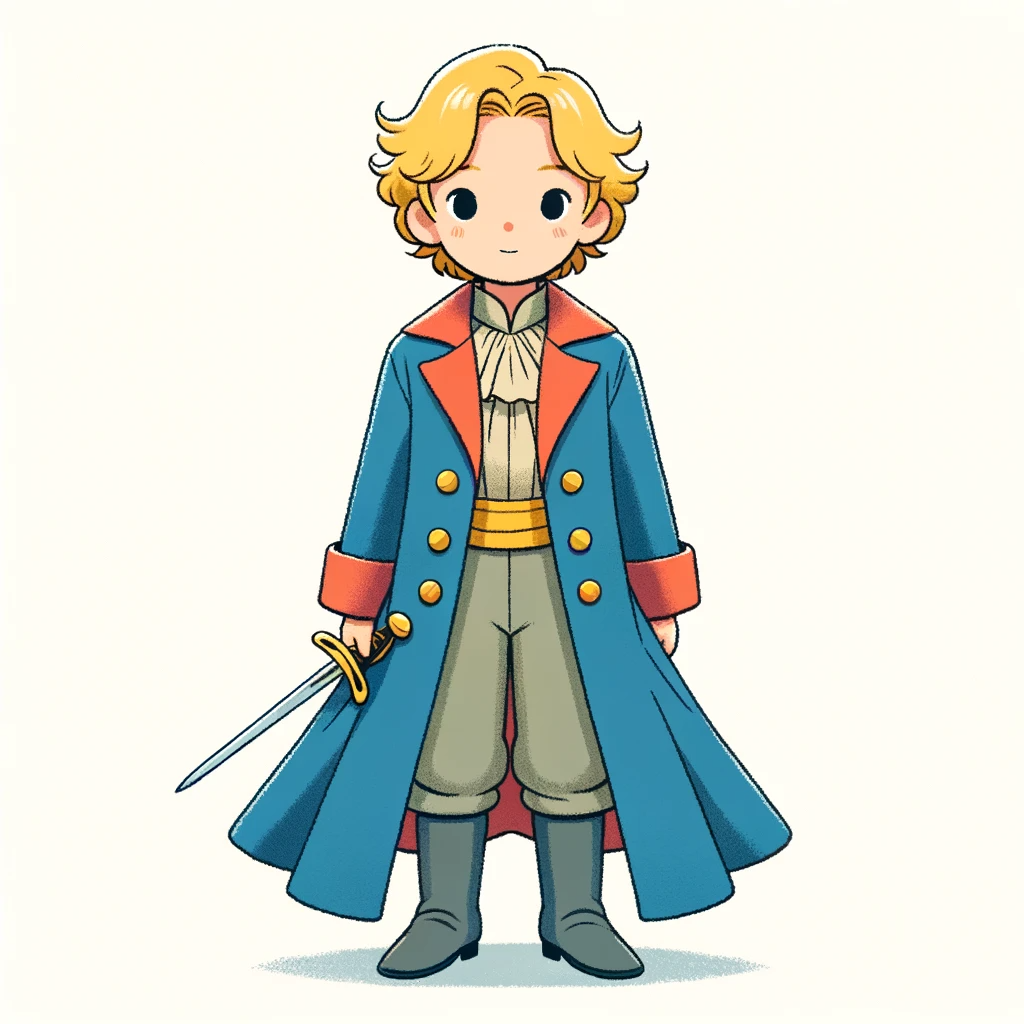

စီၤပၤအဖိခွါဆံး, in Karen.
Karen is the name of a family of languages spoken by the Karen peoples, who live in the forested hills and river valleys along the long border between Myanmar and Thailand. Most live in Myanmar, in Kayin and Kayah States, in the Bago and Tanintharyi regions and in the delta of the Irrawaddy, while several hundred thousand live in western and northern Thailand, in provinces such as Tak, Mae Hong Son and Chiang Mai. With perhaps four to five million speakers, the Karen form one of the largest ethnic groups of mainland Southeast Asia. The two principal languages are Sgaw Karen, used in this book, and Pwo Karen, but the family also includes Kayah, Pa’O and many smaller languages of the hills.
The Karenic languages belong to the vast Sino-Tibetan family, which links them to Burmese and Tibetan and, more distantly, to Mandarin and Cantonese. Yet they stand apart from almost all of their relatives in one striking way: where Burmese and Tibetan place the verb at the end of the sentence, Karen puts it between the subject and the object, as English does, a feature probably acquired through long contact with Mon and Tai languages. Like their neighbours, the Karen languages are tonal and built from short syllables, and they share many cultural words with Thai, Lanna and Burmese.
The Karen preserve a beautiful legend of a lost golden book, a sacred writing that their ancestors were said to have lost and that a younger brother from across the sea would one day return to them. When American Baptist missionaries arrived in Burma in the early nineteenth century, many Karen saw in them the fulfilment of that prophecy, and large numbers became Christians, while others remained Buddhist or kept their ancestral beliefs. In the 1830s the missionary Jonathan Wade adapted the Burmese alphabet to write Sgaw Karen, creating the rounded script seen on the cover of this book, and Karen soon had its own Bible, schools and printing presses. Pwo Karen speakers also developed scripts of their own, including the indigenous Leke script.
Karen history in the twentieth century was marked by a long struggle for autonomy in Myanmar, and many Karen families fled the conflict to refugee camps along the Thai border, from where some have since resettled in the United States, Australia and Europe. Through all these trials, the Karen have kept their language, their bronze frog drums, their handwoven tunics and their celebrations of the Karen New Year. This translation gives the little prince a home among a people who know very well what it means to look for a place to belong.