
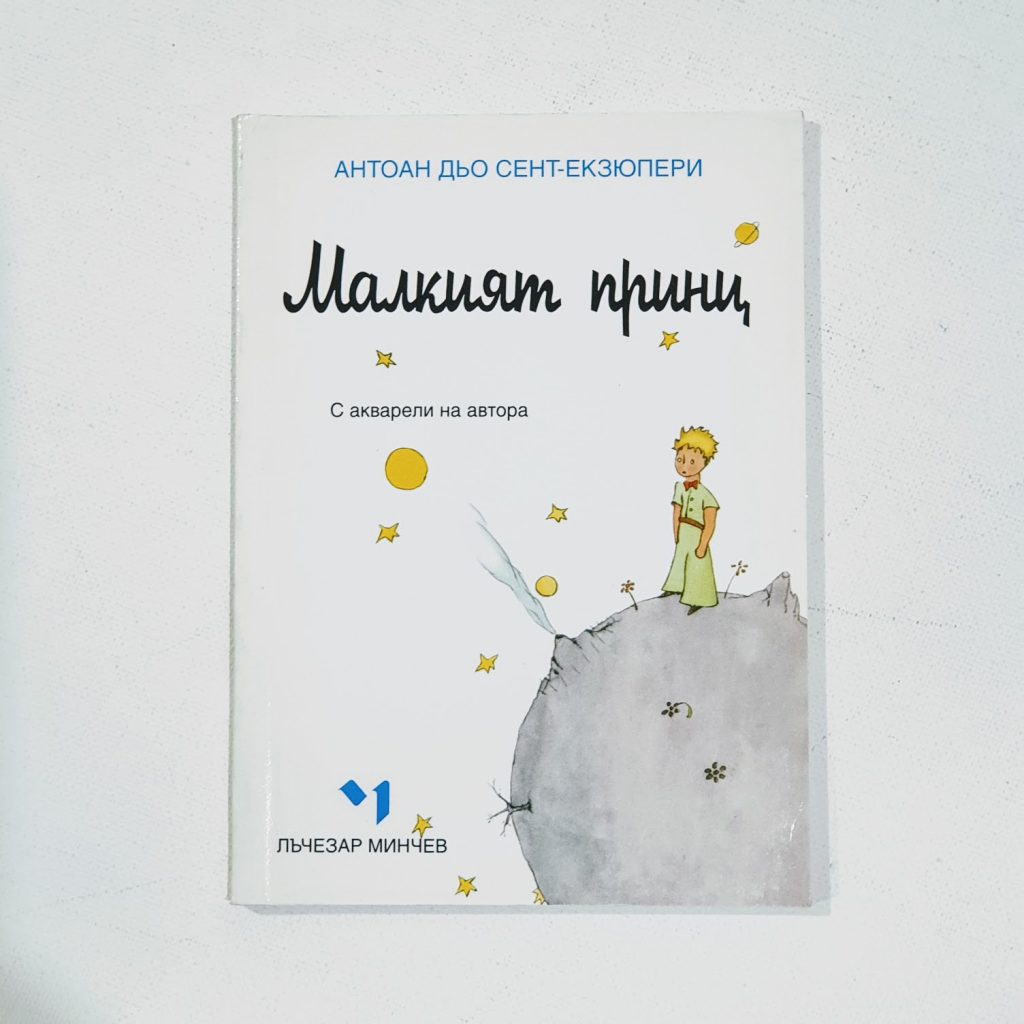
Малкият принц — in Bulgarian language.
Bulgarian is a South Slavic language that serves as a profound historical anchor for the region, being the first Slavic tongue to be preserved in writing. It rose to prominence during the 9th century when it became the liturgical and literary medium of the First Bulgarian Empire, eventually facilitating the spread of Christianity and literacy across the Slavic world. Today, it is the primary language of Bulgaria and is used extensively in administration, media, and a deep-rooted tradition of classical and modern poetry.
Linguistically, Bulgarian is a fascinating anomaly among Slavic languages because it has transitioned from a synthetic structure to an almost entirely analytic one. While its relatives like Russian or Serbian rely on complex noun endings (cases) to convey meaning, Bulgarian has discarded them in favour of prepositions. Another hallmark is its use of a post-positive definite article, which is suffixed to nouns or adjectives to indicate specificity, a trait shared with other members of the Balkan sprachbund. Most significantly, Bulgaria is the birthplace of the Cyrillic alphabet, which was designed there in the 10th century and remains a core symbol of national pride and Eastern Orthodox identity.
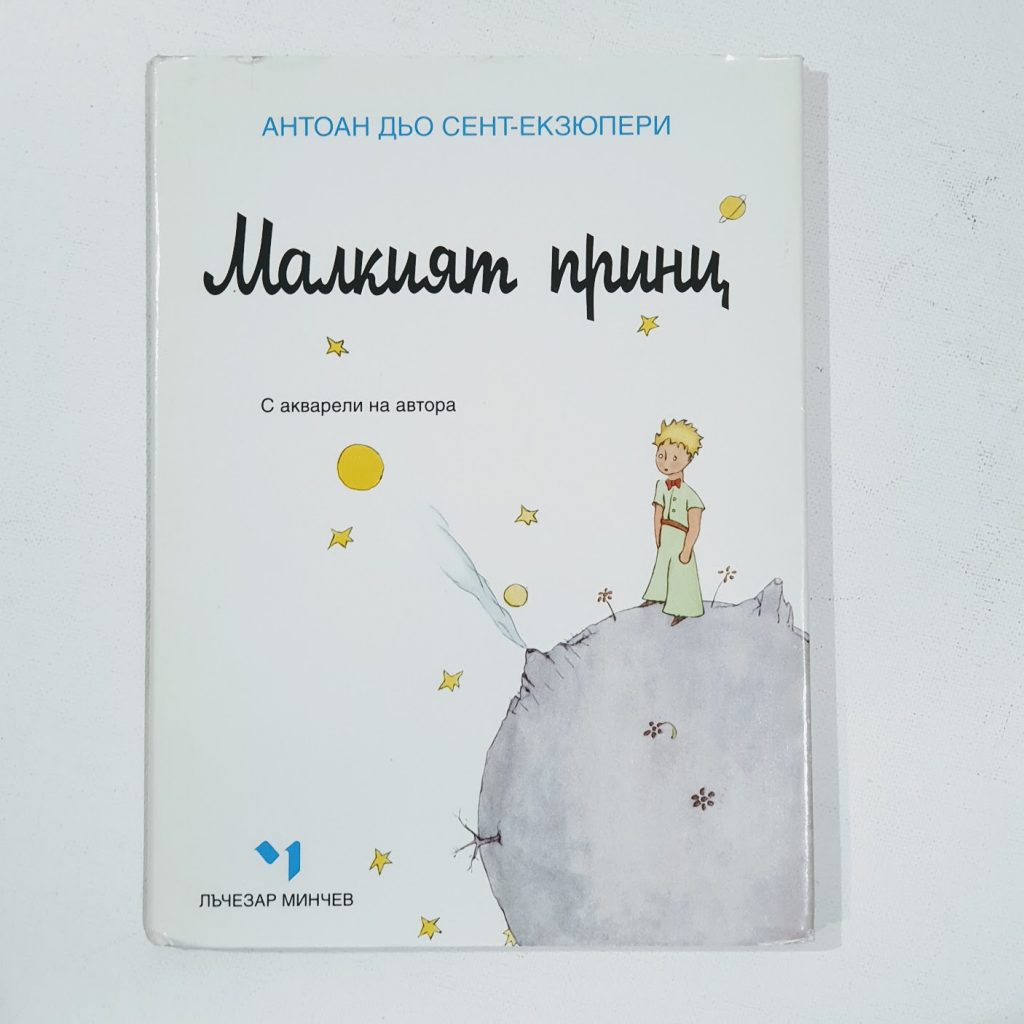
Within the South Slavic family, Bulgarian is the closest relative of Macedonian; the two are often considered a dialect continuum due to their shared grammatical innovations, such as the loss of the infinitive. However, Bulgarian is distinguished by its preservation of the “yat” vowel reflex and a highly intricate verbal system. This includes a unique “renarrative” mood, which allows a speaker to indicate whether they are reporting information from their own observation or from a secondary source.
In the broader context of Southeastern Europe, Bulgarian acts as a bridge between Slavic, Mediterranean, and Oriental influences. Its vocabulary is a mosaic reflecting the region’s turbulent history, featuring a significant layer of Ottoman Turkish loanwords alongside influences from Greek and Church Slavonic. As the first language to use the Cyrillic script within the European Union, Bulgarian remains a vital representative of the “Mountain of Tongues” that defines the cultural landscape of the Balkans.