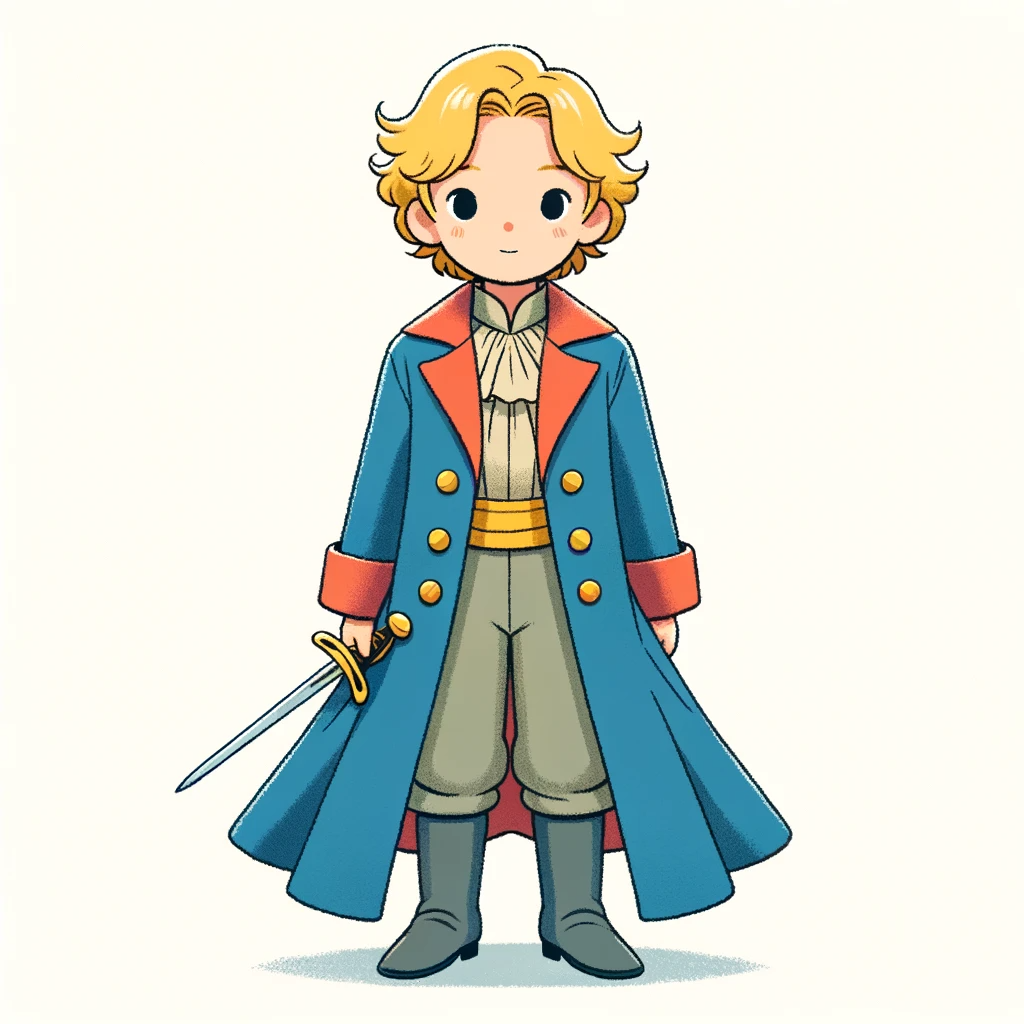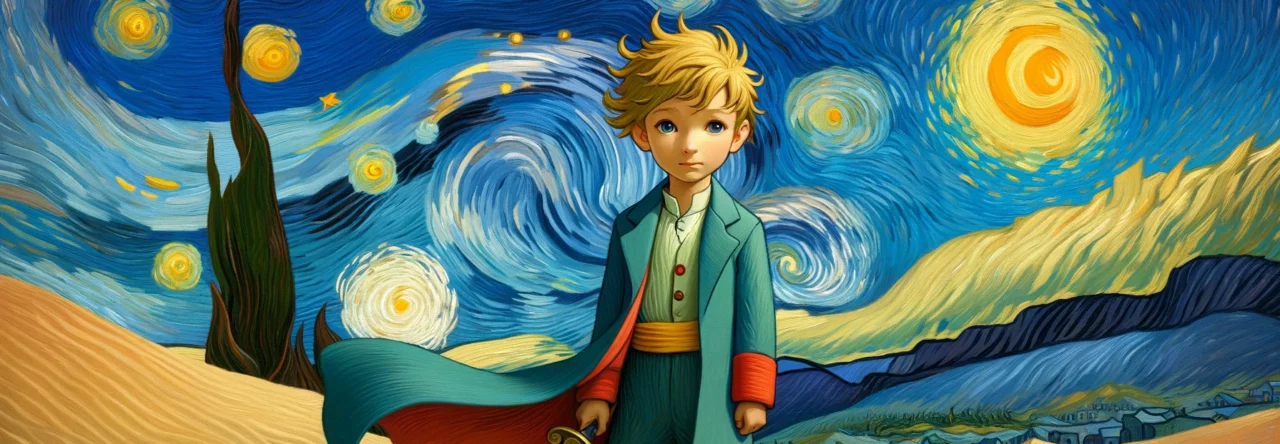
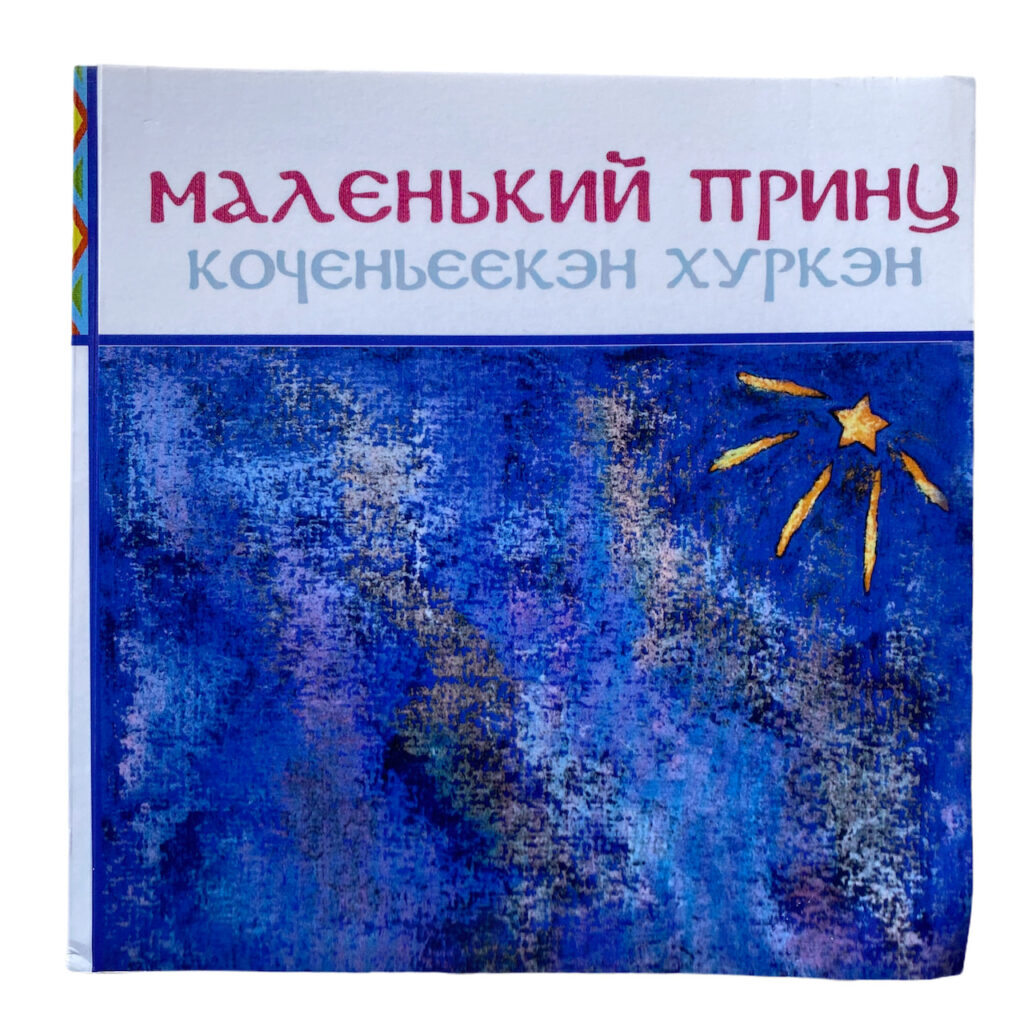
Коченьеекэн Хуркэн (Kocenyiekèn Khurkèn), in Even language.
Even (self name Эвэн, Éven) belongs to the Tungusic family, in the northern branch beside its closest relative Evenki, from which it split, by glottochronological estimate, some fifteen hundred years ago. Russians long called its speakers Lamut, from Even Lamutkan, meaning seaside inhabitant, a term first recorded in the late seventeenth century for those living along the Okhotsk coast; only in the twentieth century did Эвэн itself replace it.
Even and Evenki share a common Tungusic ancestry traced to a homeland near Manchuria some ten thousand years past, remaining one people until formally separated in the nineteenth century. The Even took up reindeer herding surprisingly late, only around 1900, and even then used their herds chiefly for riding and transport rather than meat or trade, unlike their Yakut, Chukchi and Koryak neighbours. Regional self names reflect this variety: Орач (Orach, reindeer people) in the north, Инкан бэй (Inkan Bey, real men) further east, while coastal Even leaned on fishing instead. Nineteenth century conversion to Orthodoxy sat lightly over enduring shamanism, and the custom of нимат (nimat) forbade a hunter from keeping his own kill, requiring it be shared through the camp.
Grammatically, Even declines nouns across thirteen cases and conjugates verbs through fifteen aspects and six voices, all by regular suffixing in subject object verb order, written since 1937 in a Cyrillic script, after a decade under Latin from 1931, with macrons marking long vowels. Its sharpest peculiarity is internal: some twenty dialects spread from the Lena to Kamchatka differ enough that speakers from opposite ends of the range often cannot understand one another at all. Scattered thinly through the Sakha Republic, Magadan, Chukotka and Kamchatka, Even absorbs constant lexical and grammatical influence from Yakut, the dominant Turkic language of the region, while further east it borders the unrelated Chukotko-Kamchatkan world of Koryak and Chukchi and, near the Kolyma, the isolate Yukaghir, all now drawn together chiefly by their shared submission to Russian.