
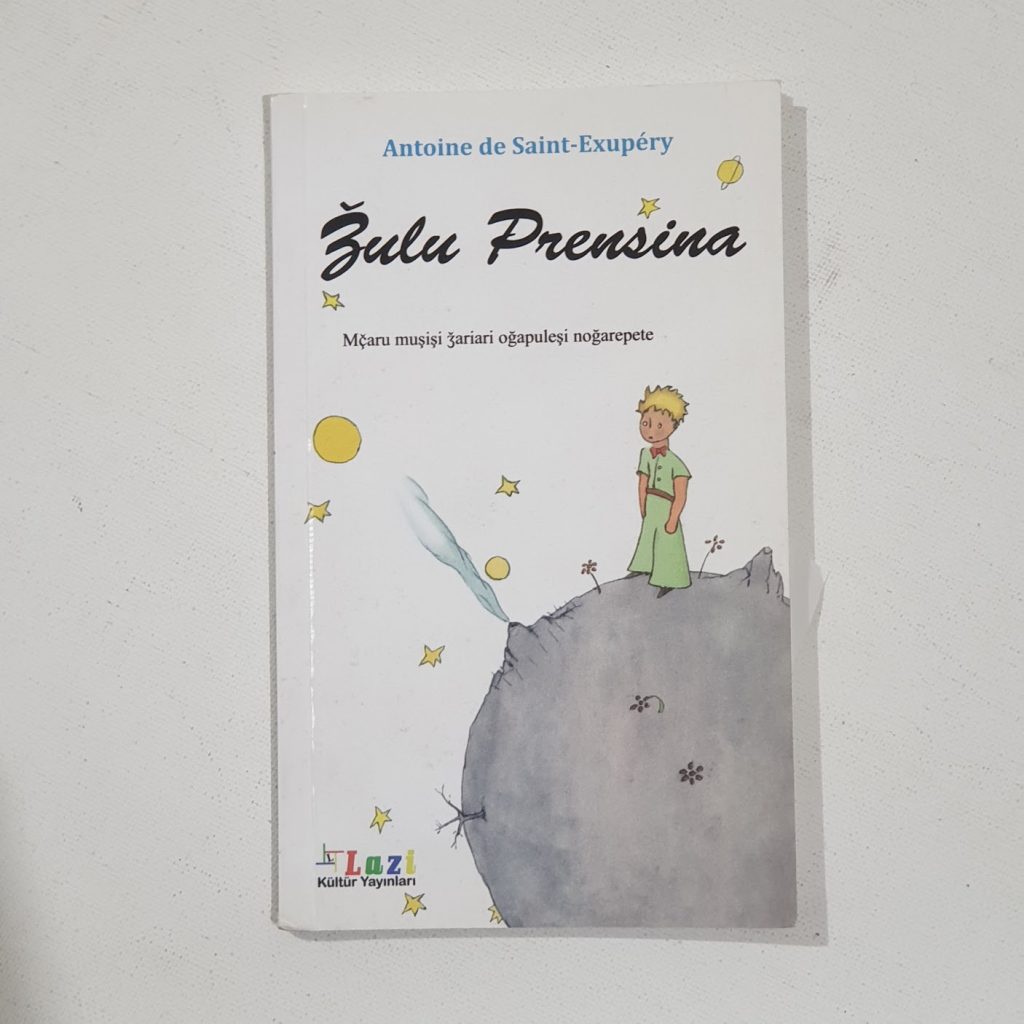
Ǯulu Prensina — in the Laz language.
The Laz language, or Lazuri, is a South Caucasian tongue spoken primarily along the southeastern shores of the Black Sea, spanning the border between Turkey and Georgia. Unlike many of its neighbours, Laz is a coastal language, historically associated with the seafaring and fishing communities of the ancient region of Colchis. While it lacks official status in either Turkey or Georgia, it remains a vibrant vehicle for oral tradition, folk music, and poetry, particularly in the Turkish provinces of Rize and Artvin. In recent years, a burgeoning cultural movement has sought to revitalise the language through literature and digital media to prevent its decline amongst younger generations.
Linguistically, Laz is a member of the Kartvelian (South Caucasian) language family, making it a close relative of Georgian, Mingrelian, and Svan. It is most intimately connected to Mingrelian, with which it shares a high degree of structural similarity; together, they form the Zan branch of the Kartvelian family. Despite these roots, Laz is unique for its extensive contact with Turkish and Greek, which has resulted in a significant layer of loanwords and specific phonetic shifts not found in its inland relatives. The language is also celebrated for its complex glottalised consonants and a sophisticated system of verb prefixes that indicate the direction and orientation of an action.
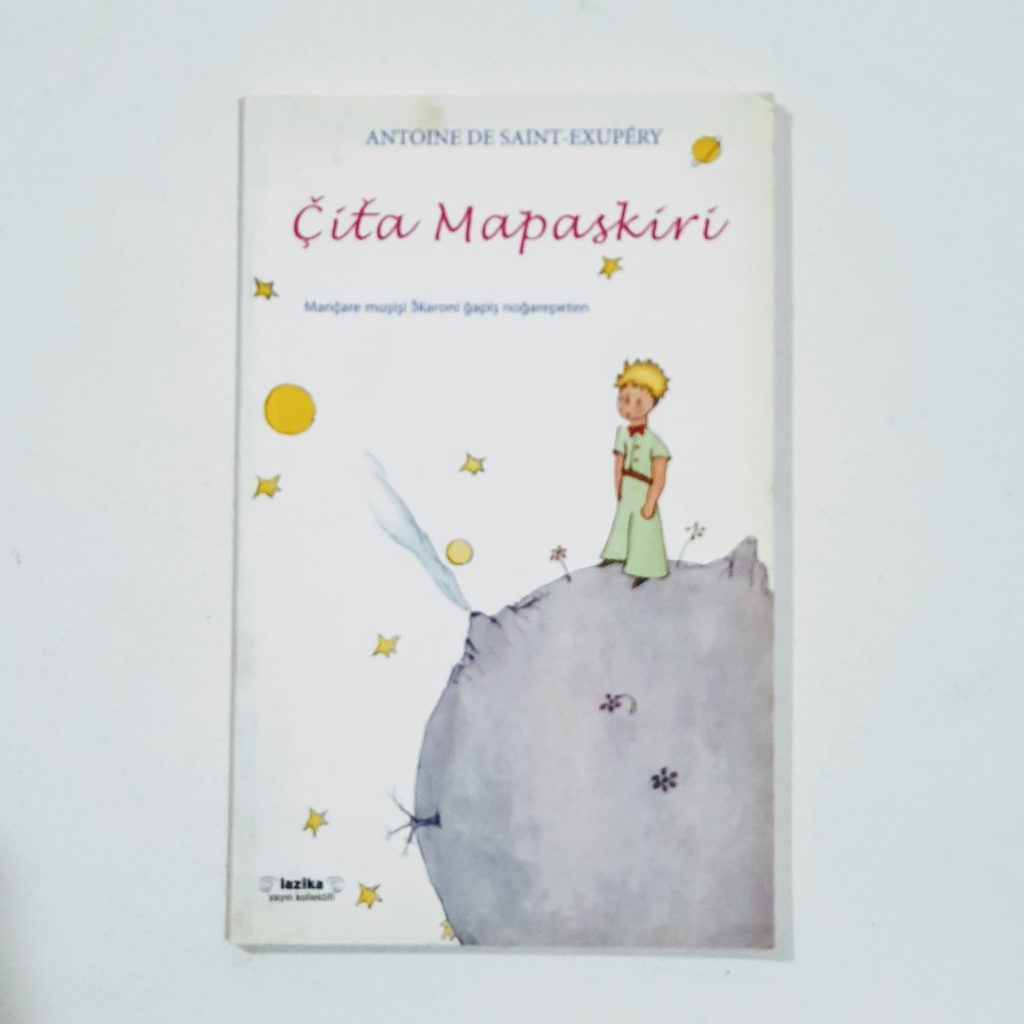
One of the most distinctive aspects of Laz is its lack of a single, unified writing system. In Georgia, it is occasionally written using the Mkhedruli (Georgian) script, while in Turkey, a modified version of the Latin alphabet is preferred, specifically adapted with diacritics to represent unique Caucasian sounds. Historically, the language was largely unwritten, with literacy usually conducted in the dominant state languages of the time, such as Ottoman Turkish, Greek, or Georgian.
In the broader context of the Caucasus, Laz stands as a rare example of a South Caucasian language that has flourished outside the immediate sphere of Georgian political influence. It exists within a dense “mountain of tongues,” bordered by Armenian to the east and Pontic Greek remnants to the west, while being geographically separated from the North Caucasian language families. This unique position at the crossroads of Anatolia and the Caucasus has made Laz a fascinating subject for linguists, representing a bridge between the ancient indigenous traditions of the Caucasus and the maritime cultures of the Mediterranean world.