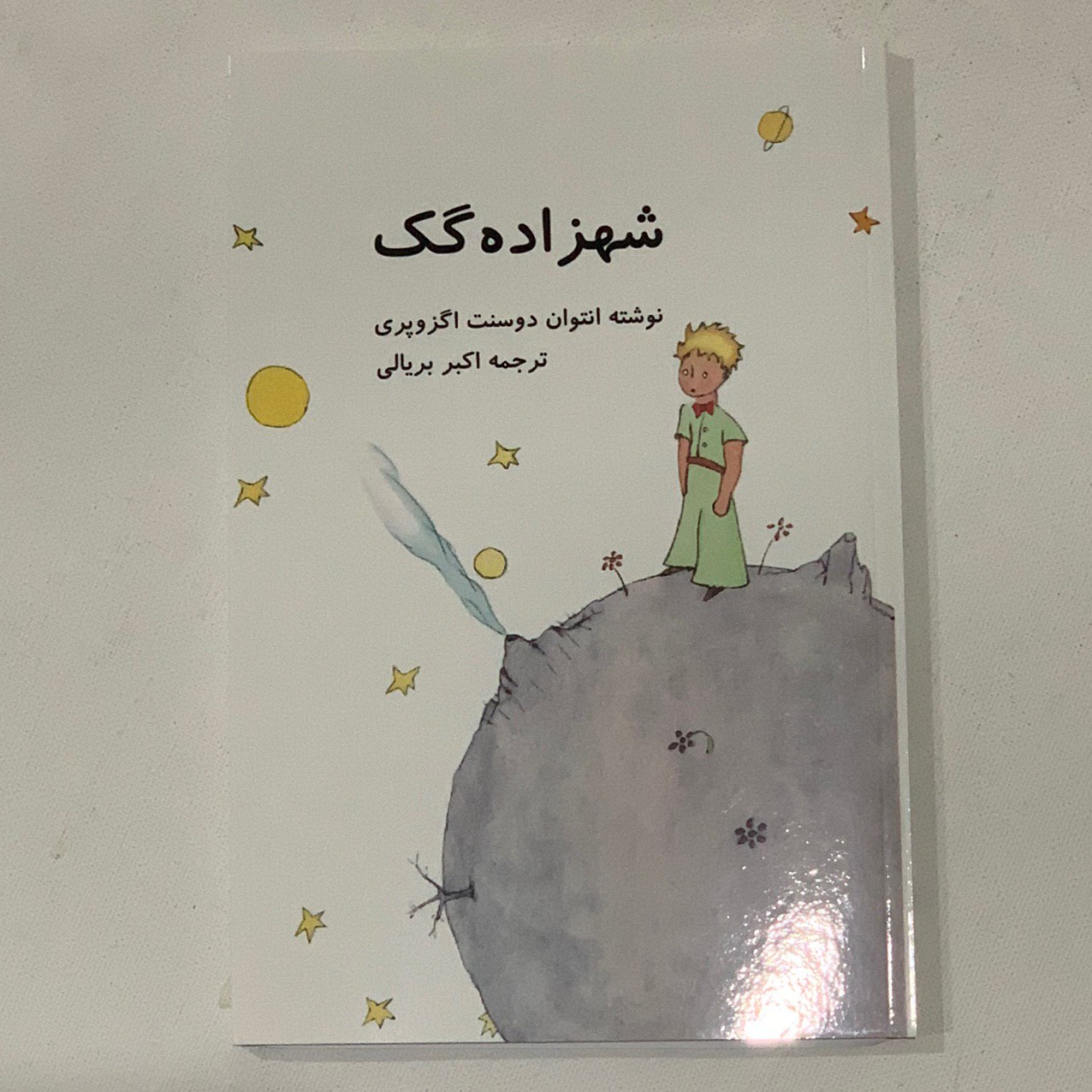
شهزاده گڪں / Syahzadah Gak — in Dari.
Dari (دری) is, in the strictest linguistic sense, simply Afghan Persian, one of three closely related modern descendants, alongside فارسی (Farsi, spoken in Iran) and Tajik (Тоҷикӣ, spoken in Tajikistan), of the great literary language that grew out of Old and Middle Persian more than a thousand years ago. Its own name carries a small piece of court history within it: Dari derives from the older phrase زبان دری (zabān e dari), broadly meaning language of the court or the royal gate, a label that stuck to the elevated, literary register of Persian that once dominated administration and poetry across the eastern Iranian world. Many ordinary Afghans still refer to their own language informally as Farsi rather than Dari, and the two names essentially point to the same tongue; Dari became the language’s official constitutional name in Afghanistan only in 1964, a deliberate act of naming meant to assert a distinct Afghan identity for a language shared with, yet not owned exclusively by, Iran.
What makes Dari genuinely fascinating, and often underappreciated, is its claim to being the true cradle of New Persian literature itself. When the classical form of the language crystallised in the ninth and tenth centuries under the Samanid dynasty, it did so not in what is now Iran but in the eastern Persian speaking world, in the region once called خراسان (Khorasan), spanning parts of modern Afghanistan and Central Asia. The father of Persian poetry, Rudaki, and the epic poet Ferdowsi, author of the towering national epic شاهنامه (Shahnameh, the Book of Kings), both wrote in this eastern register of the language, and the great mystic poet Rumi was born not in Iran at all but in بلخ (Balkh), one of the ancient Silk Road cities of what is now northern Afghanistan. Herat, هرات in its own script, likewise flourished for centuries as one of the great centres of Persian art, architecture, and poetry. Afghanistan, in other words, is not a periphery of the Persian literary tradition but very close to its historic heartland, a fact that gives modern Dari speakers a quiet and entirely justified pride in their linguistic inheritance.
Within Afghanistan itself, Dari functions as the country’s principal lingua franca, spoken as a mother tongue by Tajiks and by Hazaras, whose own dialect Hazaragi is simply a variant of it, and used as a second language across the country’s other communities, standing alongside پښتو (Pashto) as one of the nation’s two official languages, the pair together binding an otherwise ethnically fragmented state. Its relationship with Iranian Farsi and with Tajik is one of the more striking cases of a single language pulled apart by politics and orthography rather than by genuine linguistic distance: a Kabuli and a Tehrani speaker can generally follow one another with only modest effort, chiefly differences of accent, vocabulary, and a handful of archaic pronunciations that Dari has kept while Iranian Persian moved on, whereas Tajik, though every bit as intelligible when spoken, was recast into the Cyrillic alphabet under Soviet rule, so that the very same words that Dari writes in the Perso Arabic script in Kabul appear utterly foreign on the page in Dushanbe. Living traditions such as the springtime festival of نوروز (Nowruz) and an enduring love of classical and contemporary poetry recited aloud continue to bind these three Persian speaking worlds together in spirit, even where borders, alphabets, and a century of separate nation building have pulled them apart on paper.