
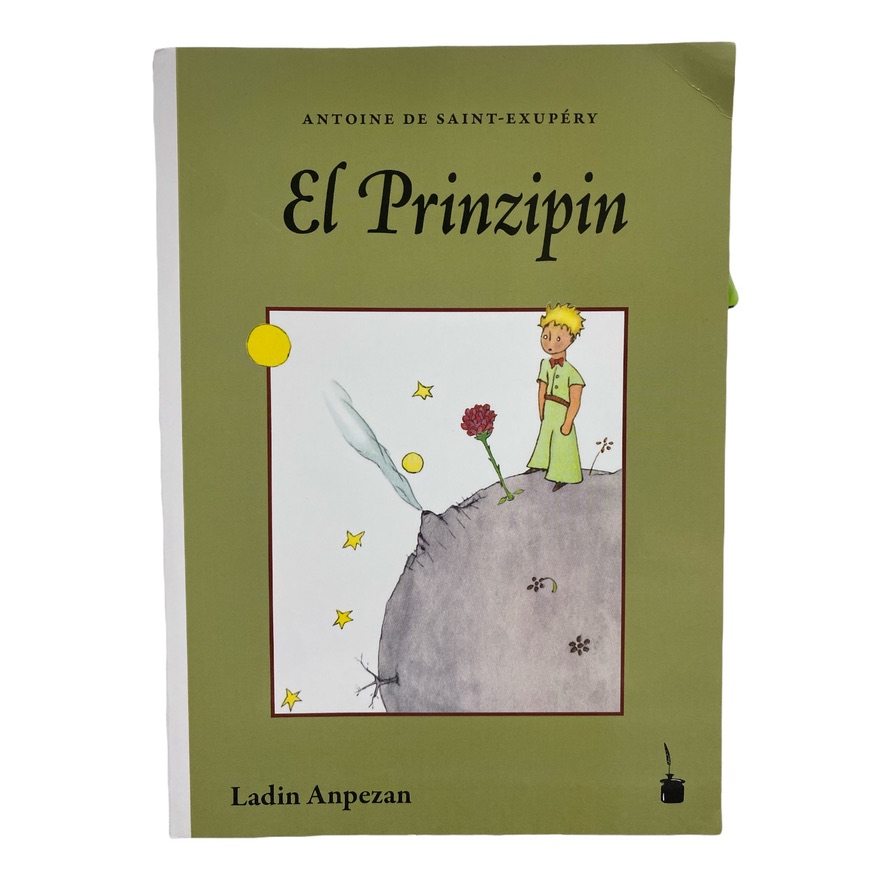
El Prinzipin — in Ladin Anpezan language.
Ladin Anpezan is the form of Ladin native to Cortina d’Ampezzo, the celebrated mountain town cradled among the peaks of the Dolomites, and it belongs to the same small family of five traditional Ladin valleys as Gherdëina, Badiot, Fascian and Fodom, all descended from the Vulgar Latin that took refuge in these high Alpine valleys while the surrounding lowlands drifted towards Italian and German. Yet Anpezan has followed a rather different modern fate from its sister tongues, a divergence owed less to language itself than to the accidents of twentieth century administration.
For centuries Cortina and its fellow Ladin valleys belonged together to the County of Tyrol under Habsburg rule, sharing a common political roof even as each valley nurtured its own particular speech. That shared history ended abruptly after the First World War, when the valleys passed to Italy, and a further administrative reshuffling in the 1920s placed Cortina within the province of Belluno in the Veneto region, while its linguistic cousins remained grouped within Trentino and South Tyrol. That single bureaucratic decision proved fateful, for when postwar Italy later granted its Ladin valleys special linguistic protections and the now celebrated trilingual schooling of South Tyrol, Cortina found itself left outside that protective circle, administratively separated from the very communities with which it shared a language and an identity.
Cut off in this way from official Ladin status, Anpezan has absorbed rather more influence from neighbouring Venetian and Cadorino Italian speech than its more sheltered cousins further north, giving it a distinctly local flavour within the wider Ladin family even as its speakers have long campaigned, so far without success, to be reunited administratively with their fellow Ladin valleys. There is, however, a pleasing irony in Cortina’s global stature quite outweighing its modest linguistic recognition at home, for this small Ladin speaking town has twice stood in the world’s spotlight as an Olympic host, in 1956 and again as co host of the 2026 Winter Games, carrying the name and, however quietly, the voice of Anpezan before an international audience that the valley’s own government has yet to grant it fully at home.