
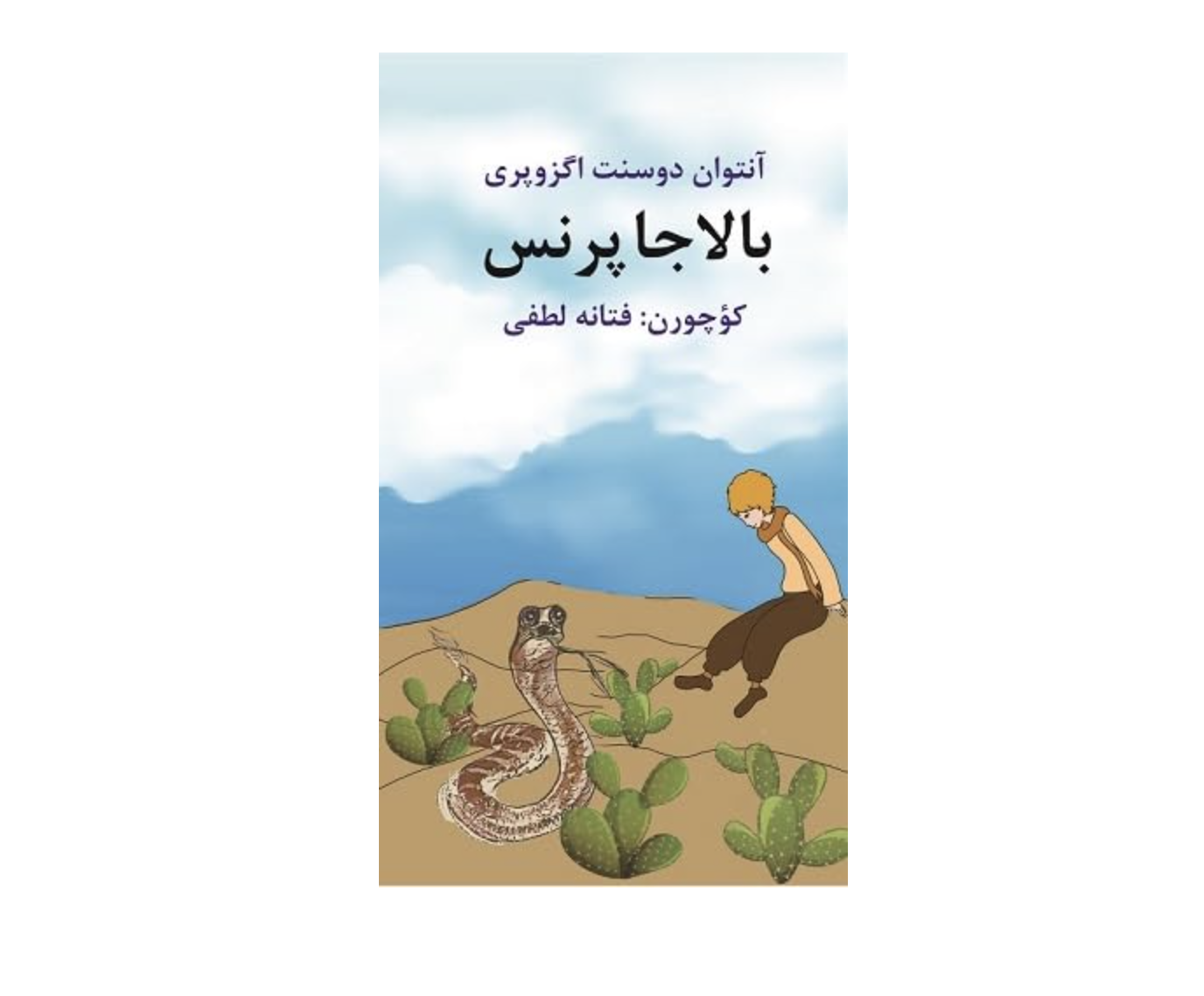
Iranian Azerbaijani (آذربایجانجا / Azərbaycanca), or, as most of its Iranian speakers actually call it in daily life, Turki (تركى / Torki), is the language of one of Iran’s largest linguistic minorities, spoken by a population usually estimated in the tens of millions across the northwestern provinces of East Azerbaijan (آذربایجان شرقی / Āzarbāijān e Sharqi), West Azerbaijan (آذربایجان غربی / Āzarbāijān e Gharbi), Ardabil (اردبیل), and Zanjan (زنجان), with further large communities in Tehran itself; exact figures are genuinely disputed, since Iran’s census does not record mother tongue, so estimates for the whole Azerbaijani speaking population of the country range anywhere from roughly thirteen to well over twenty million, a wide enough spread to make it a matter of ongoing scholarly and political debate rather than settled fact. Linguistically it belongs to the Oghuz branch of the Turkic family, the same branch as the Turkish of Turkey, and Turkmen, and it is, in essence, the very same language spoken just across the Aras river border in the Republic of Azerbaijan, split apart chiefly by history and by the written form each side eventually chose, Latin script in Baku, the Perso Arabic script inherited from centuries of Iranian literacy in Tabriz (تبریز) and beyond.
What makes Iranian Azerbaijani especially interesting is how thoroughly Turkic speaking rulers once shaped Persian speaking Iran itself, rather than the other way around. The Safavid dynasty (صفوی / Safavi), which founded modern Iran as a unified state in 1501 and imposed Twelver Shia Islam as its official religion, a decision that still defines Iranian religious identity today, was itself an Azerbaijani Turkic speaking dynasty from Ardabil, its first ruler Shah Ismail writing accomplished poetry in his native Turkic under the pen name Khatai (خطایی). Centuries later the Qajar dynasty (قاجار), which governed Iran from 1789 until 1925, was likewise ethnically and linguistically Azerbaijani Turkic, with Tabriz traditionally serving as the seat of the crown prince, so that for a very long stretch of Iranian history the language of the court, if not always the language of high literature, was Turkic rather than Persian, a fact often overlooked given how completely Persian dominates Iran’s official and literary self image today. The towering classical poet Fuzuli (فضولی), who wrote masterfully in Azerbaijani Turkic, Persian, and Arabic alike, remains a shared point of pride claimed by Azerbaijani, Turkish, and Persian literary traditions all at once, a fitting symbol of how thoroughly entangled these languages became.
Despite that deep historical footprint, modern Iranian Azerbaijani occupies a somewhat different position from its northern cousin: it has no official status within Iran, where Persian (فارسی / Farsi) remains the sole language of schooling, administration, and the overwhelming majority of print and broadcast media, so the language survives today chiefly through home use, oral tradition, satellite media reaching in from the Republic of Azerbaijan, poetry, and a rich musical culture of ashiq minstrelsy rather than through any formal public education system in Turkic. Centuries of contact under Persian administration have also left their mark on the language’s own texture, layering it with Persian and Arabic derived vocabulary, particularly around religion, government, and abstract concepts, well beyond what appears in the Turkish of Turkey or even in the Azerbaijani of Baku, which absorbed Russian influence instead during its Soviet period. The result is a single Oghuz Turkic tongue that split, quite literally, down a river border into two increasingly distinct sociolinguistic worlds, one Cyrillic turned Latin and shaped by Moscow, the other written in the Persian alphabet and shaped by Tehran, each carrying the same deep Turkic root beneath two very different modern skins.