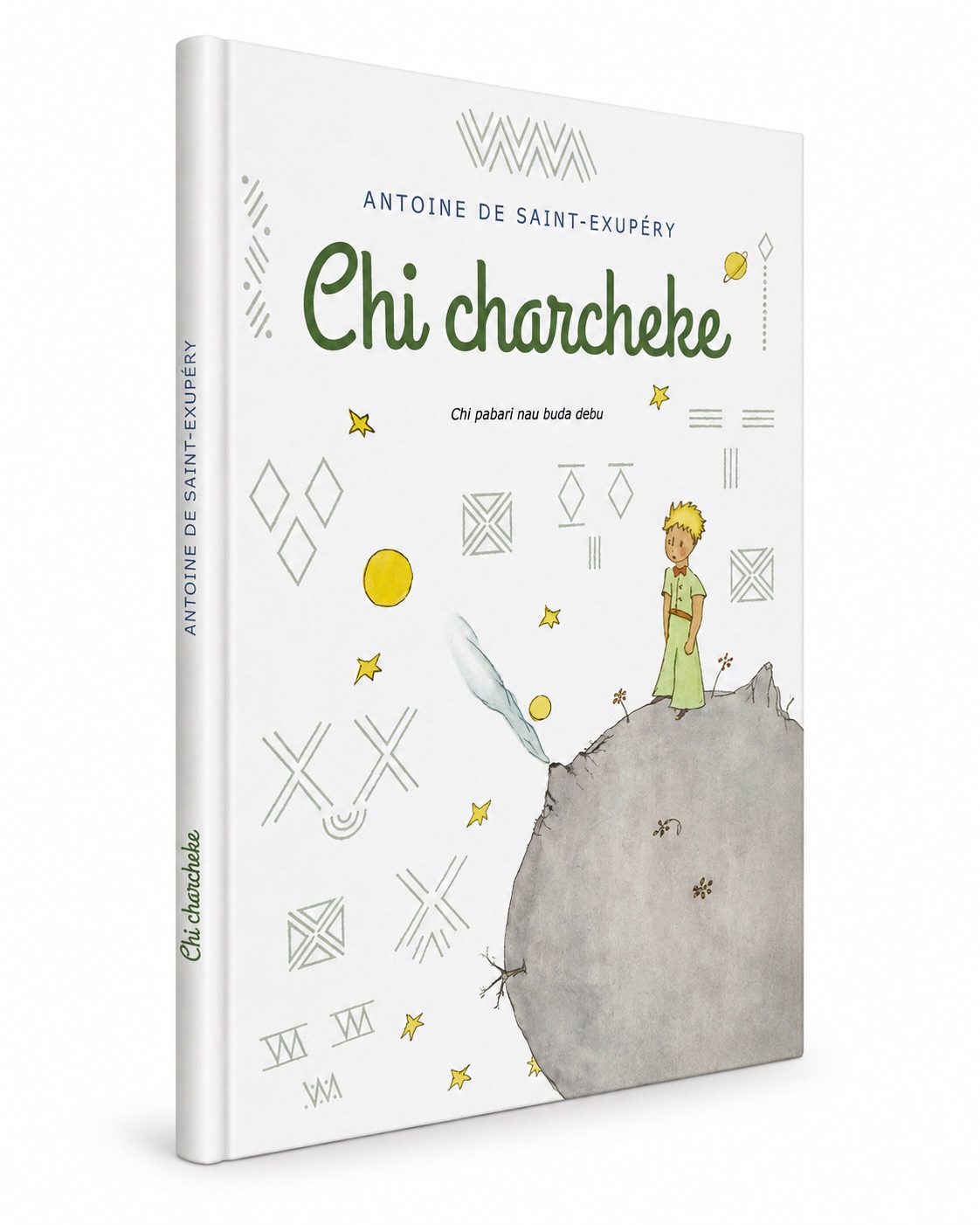
Chi Charcheke — in Emberá Chamí
Emberá Chamí is a language of the Chocoan family spoken principally in the western cordillera of Colombia, concentrated in the departments of Risaralda, Caldas, and Valle del Cauca — the coffee-growing highlands where the Andes descend toward the Pacific lowlands. It is one of several Emberá varieties constituting the core of the Chocoan family alongside Wounaan; the varieties include Emberá Chocó of the Pacific lowlands, Emberá Catío of northern Antioquia and the Urabá region, and Emberá Baudó further south, with Chamí representing the highland variant. The Chocoan family is a language isolate at the family level — unrelated to the surrounding Chibchan languages of the Colombian highlands, the Cariban languages of the Venezuelan llanos, or the Arawakan languages further east — making it one of the genuinely independent linguistic lineages of northwestern South America, with no demonstrated connection to any other family despite decades of comparative work. Emberá Chamí shares with its sister varieties a phonological system of considerable complexity, a morphology that is both agglutinative and polysynthetic, and a set of core vocabulary and grammatical structures that distinguish the Chocoan family from everything spoken around it.
The Emberá Chamí people are the descendants of communities who retreated into the highland forests of the western cordillera under colonial pressure, maintaining a cultural autonomy that more accessible lowland groups could not preserve. Their traditional cosmology centres on the jaibaná — the shaman-healer whose ability to navigate between the human world and the spirit world through chant, ritual, and the manipulation of jai spirits constitutes the primary technology of health, social cohesion, and ecological relationship. The jaibaná tradition remains culturally vital today, coexisting with the Catholicism nominally adopted during the colonial period. Emberá Chamí material culture is distinguished by extraordinary beadwork and body painting — geometric designs in black jagua dye applied to the skin, encoding cosmological knowledge and social identity — and by the wini, elaborate bead necklaces worn by women that function simultaneously as adornment and as mnemonic records of lineage and status.
Emberá Chamí faces acute pressure from Spanish dominance in Colombian education, media, and economic life, compounded by the violence of Colombia’s armed conflict, which has displaced Emberá communities repeatedly over the past half-century and severed the intergenerational transmission of language and ceremonial knowledge. The speaker community numbers somewhere between fifteen and thirty thousand, with significant variation in fluency across generations.