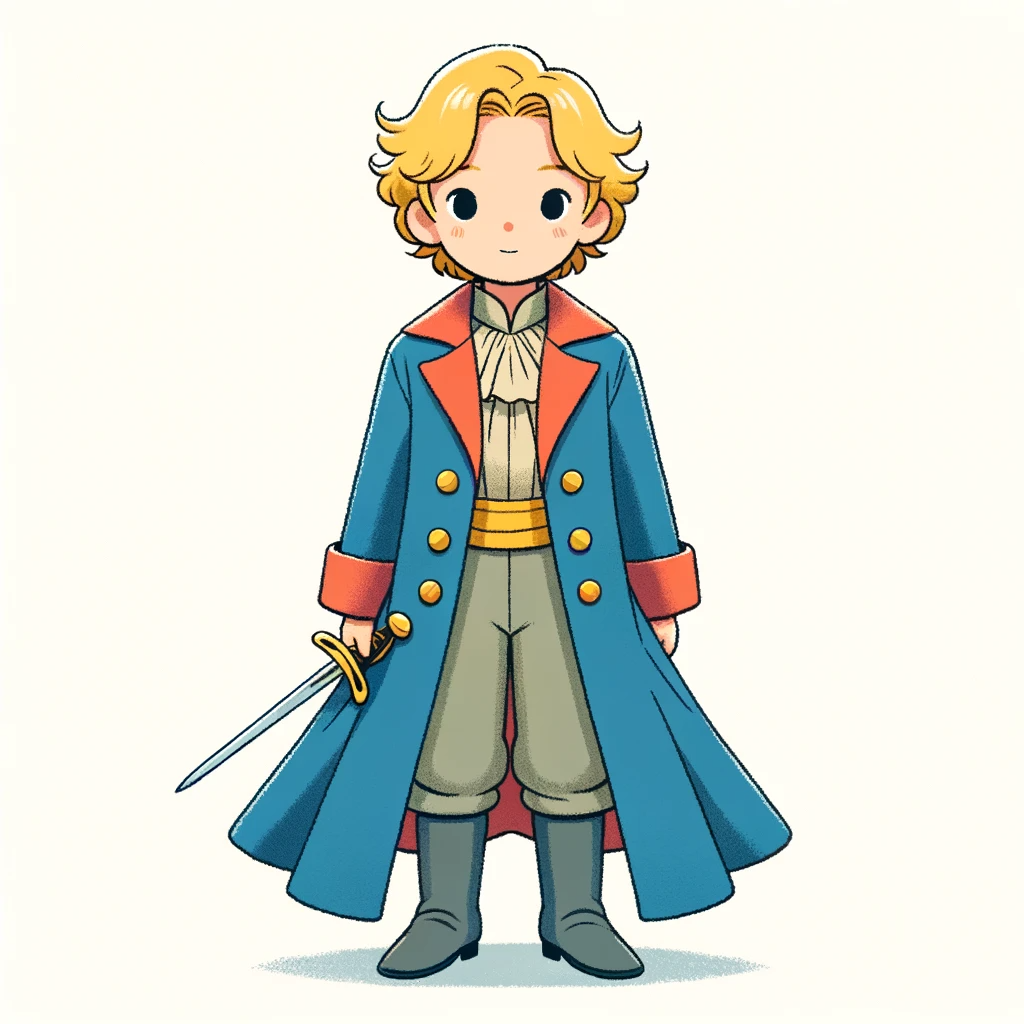
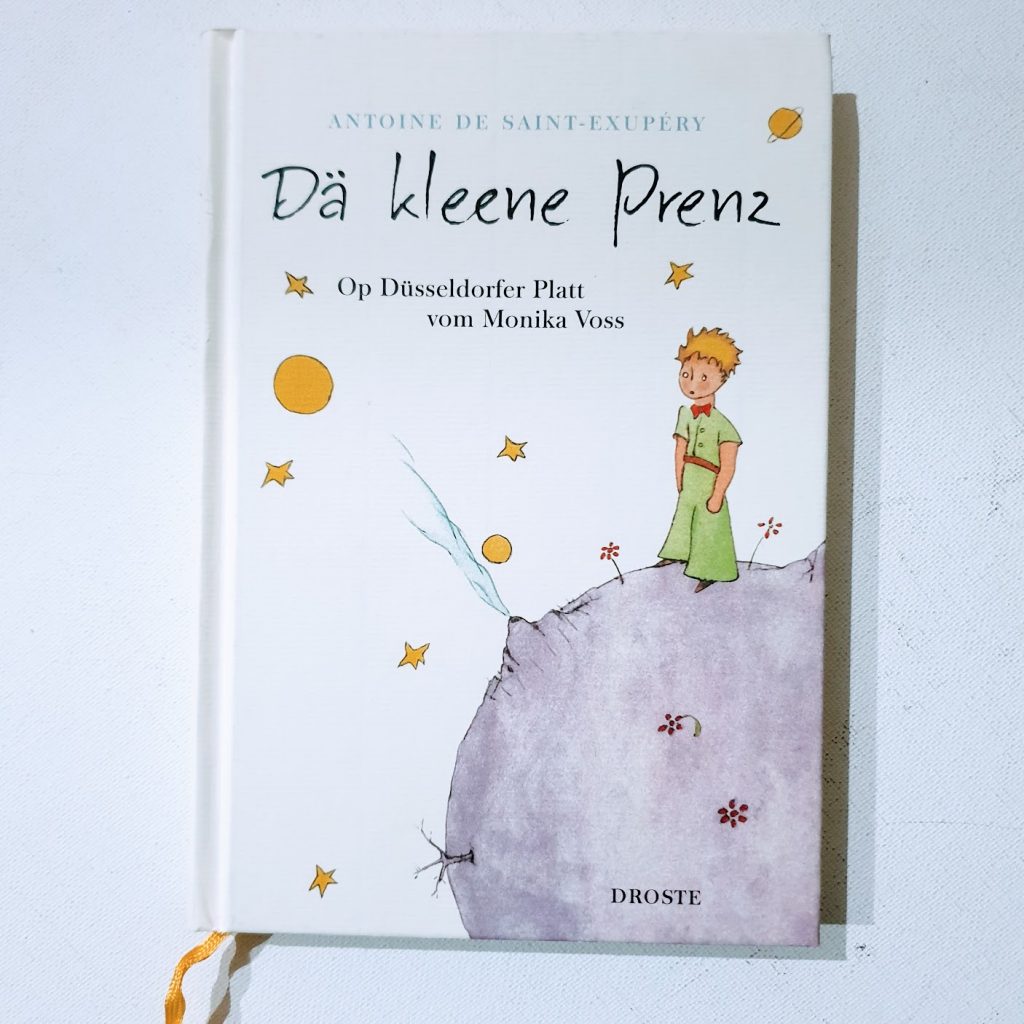
Dä Kleene Prenz — from Düsseldorf.
Düsseldorf dialect (Düsseldorferisch), also called simply Platt in the mouths of its own speakers, belongs to Low Franconian (Niederfränkisch), the western branch of West Germanic that famously also gave rise to Dutch and Flemish, and it is spoken along the banks of the Rhine in the city that takes its very name from the modest stream, the Düssel, flowing through it. Though today Düsseldorf is known as a sleek capital of fashion and finance, the seat of North Rhine-Westphalia’s state government, its dialect carries the older, earthier inheritance of a Frankish river town that grew wealthy on trade long before any of that modern polish arrived.
What makes Düsseldorf’s linguistic position genuinely remarkable is a matter of pure geographical accident, for the city sits astride one of the most consequential boundaries in the entire German language. The Benrath line, named after Benrath, which is itself a district of Düsseldorf, marks the point where the great High German consonant shift petered out, so that speakers just north of it still say maken for to make while speakers just south, in neighbouring Cologne and the Ripuarian dialects, already say the shifted machen. Few cities anywhere can claim to have lent their own suburb’s name to a defining isogloss of their national language, yet Düsseldorf, sitting almost exactly on that line, does precisely that.
This position gives Düsseldorferisch a distinctive double kinship, reaching south towards its more numerous and more famous Ripuarian neighbour in Cologne, with whom it shares a friendly, centuries old rivalry expressed as much through beer as through speech, Düsseldorf’s dark, top fermented Altbier standing proudly against Cologne’s pale Kölsch, and reaching north and west towards Dutch and Flemish, its true Low Franconian siblings across the modern border. Local lore adds its own colourful thread to this inheritance in the legend of the Radschläger, the cartwheeling boys said to have celebrated a medieval ducal wedding by turning cartwheels through the streets, a tradition still performed today and one that, like the dialect itself, marks Düsseldorf out as a city proudly, playfully aware of standing exactly where it does.