
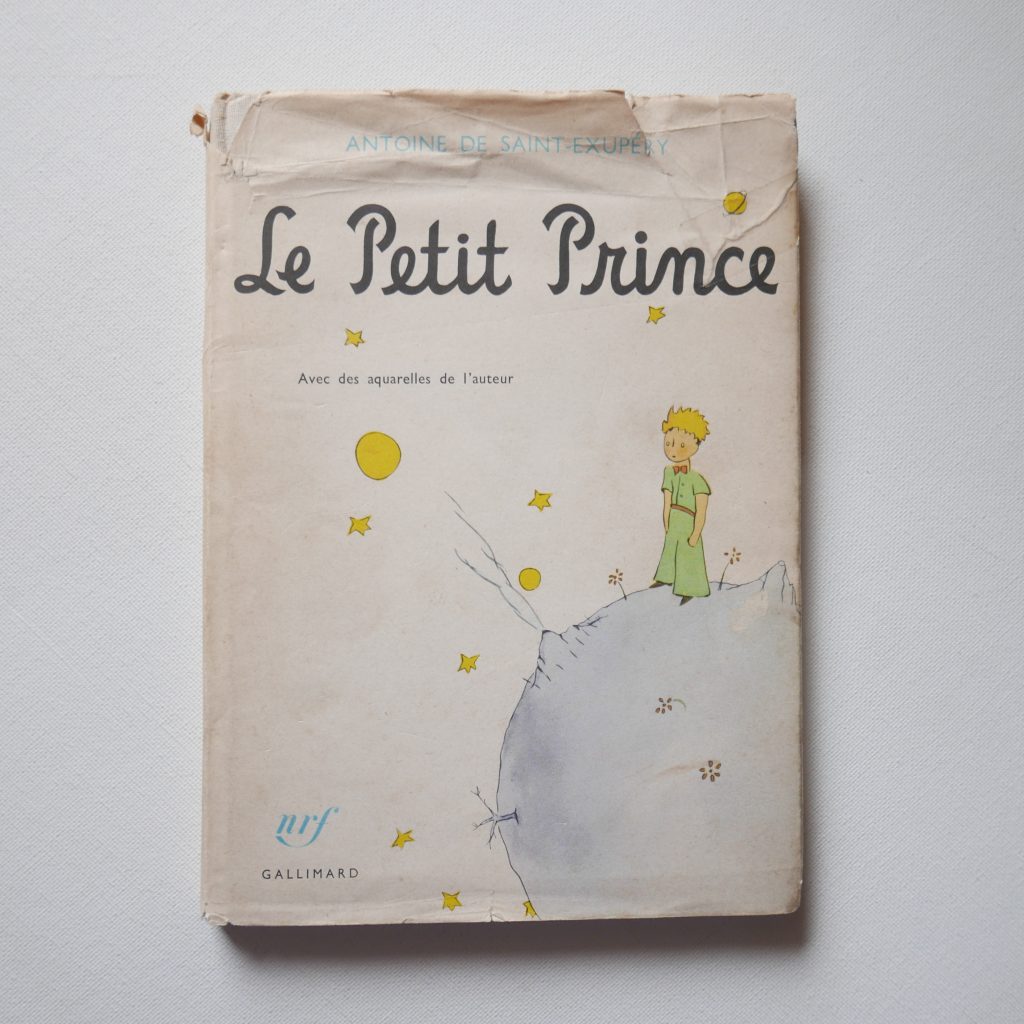
Le Petit Prince — in its original French language, published by Gallimard in 1946.
French (français) belongs to the Gallo Romance branch of the Romance family, itself descended from the Vulgar Latin that Roman legionaries, administrators, and settlers carried into Gaul (Gaule) after Julius Caesar’s conquest, but two further ingredients gave the language its particular character. Beneath that Latin lay a Celtic substrate, the speech of the Gauls themselves, which left its main trace in vocabulary and place names rather than grammar, while on top of it came a Germanic superstrate courtesy of the Franks, the very people who eventually gave both the language and the country their name, ruling post Roman Gaul and gradually shifting to speak the Latin of their subjects while still colouring its sound and vocabulary along the way. Medieval French speech itself split into two great families, distinguished by how each said simply yes, the langue d’oïl in the north, ancestor of modern standard French, and the langue d’oc further south, ancestor of Occitan (occitan), a division so fundamental that the southern French region Languedoc still carries its name today, literally the language of oc.
French can also claim a genuinely rare distinction among European languages: an exact birth certificate. The Strasbourg Oaths of 842 (les serments de Strasbourg), sworn between two grandsons of Charlemagne as they divided his empire, survive as the oldest written text in a Romance vernacular clearly distinguishable from Latin, making early French, alongside the accompanying Old High German version of the same oaths, a foundational document for the linguistic history of both France and Germany at once. Rather more consequential for English speakers was the Norman Conquest of 1066, which installed French as the language of the English court, law, and aristocracy for roughly three centuries and left modern English saturated with French and Latin derived vocabulary in precisely those domains, government, cuisine, law, and art, so that an English speaker today unknowingly reaches for a French word every time they mention parliament, beef, or justice. Centuries later French itself formalised its own authority at home through the Ordonnance de Villers Cotterêts of 1539, which replaced Latin with French as the mandatory language of law and administration, an unusually early and deliberate act of state driven linguistic standardisation for its time.
That instinct for deliberate regulation reached its fullest expression with the founding of the Académie française in 1635 by Cardinal Richelieu, still functioning today as one of the world’s oldest and most famous language academies, periodically issuing rulings against English loanwords and guarding an official dictionary that dates its authority back nearly four centuries. It was this same centralising prestige, radiating out from the Paris dialect that had triumphed over its many regional rivals, that turned French into the working language of European diplomacy and high culture from the age of Louis XIV through the Enlightenment, exported worldwide today in words for ballet, couture, cuisine, and diplomacy itself, all borrowed wholesale into English and dozens of other languages as unmistakable badges of French cultural authority.
That same historical reach has left French with an unusually wide, and rapidly shifting, footprint today. Colonial expansion carried the language across West and Central Africa, the Caribbean, Quebec, and parts of Southeast Asia, and the modern community of French speaking nations (la francophonie) now counts speakers on every inhabited continent, with demographers projecting that within a few decades the great majority of the world’s French speakers will live not in France at all but in Sub Saharan Africa. French therefore occupies a curious dual identity in the modern world, at once one of the most closely regulated and self consciously guarded national languages anywhere, and, simultaneously, one of the most widely and unpredictably dispersed, still growing fastest in places that never spoke a word of it before European ships first reached their shores.
Other Standard Editions
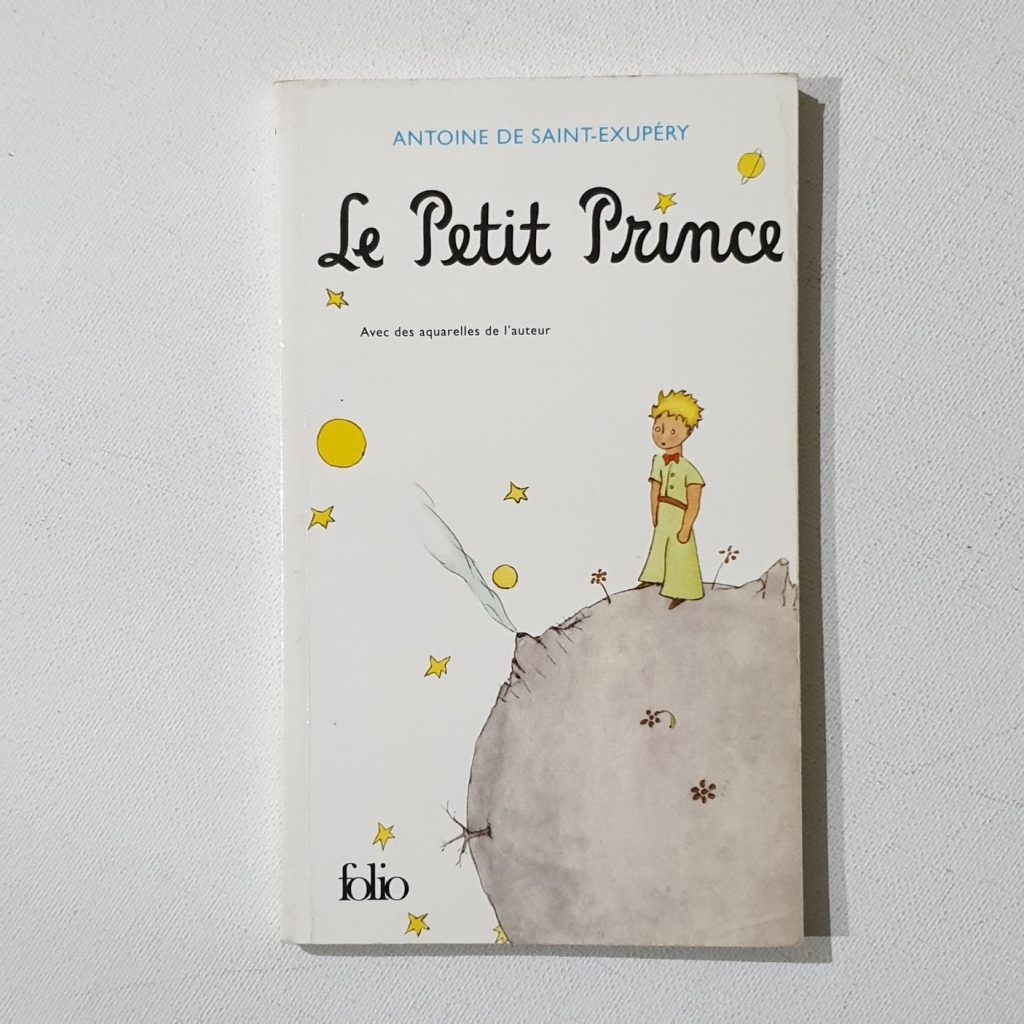
— published by Folio
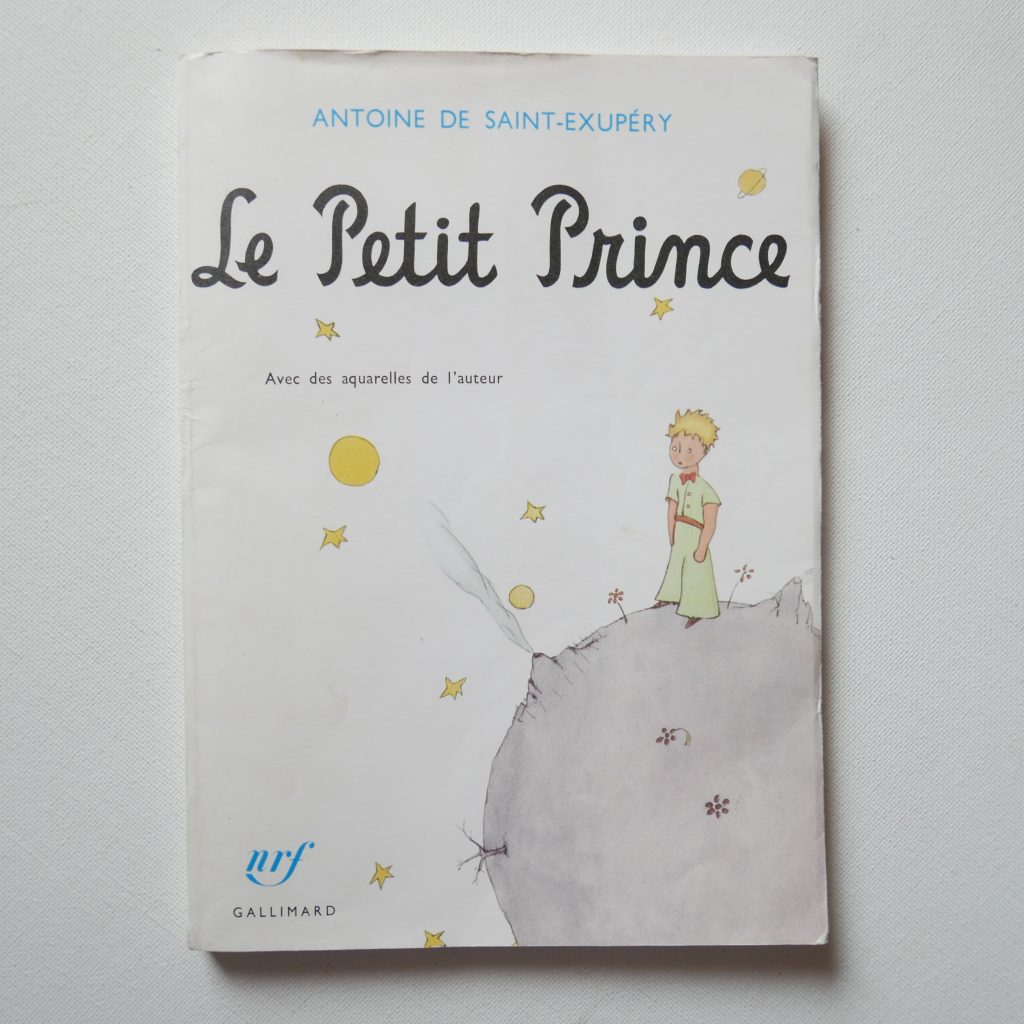
— published by Gallimard, 1999.
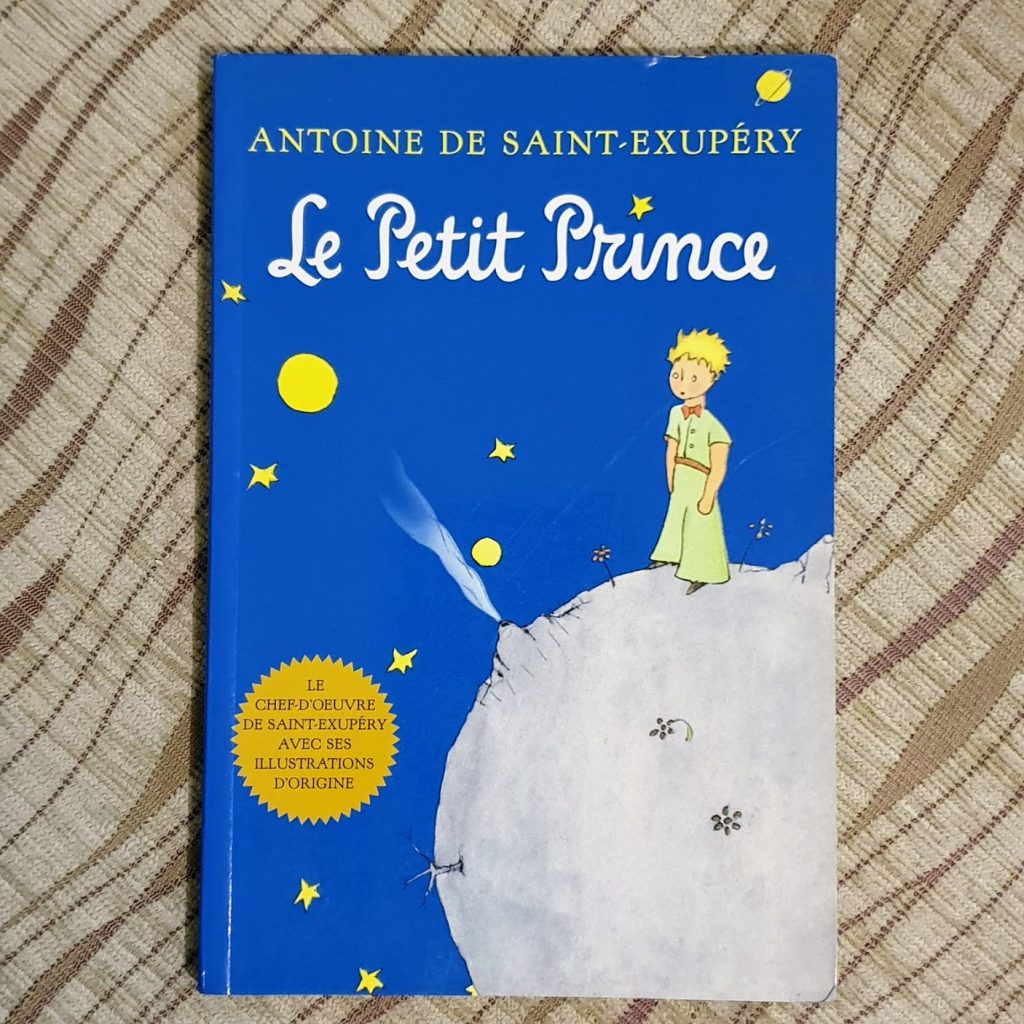
Anniversary Editions
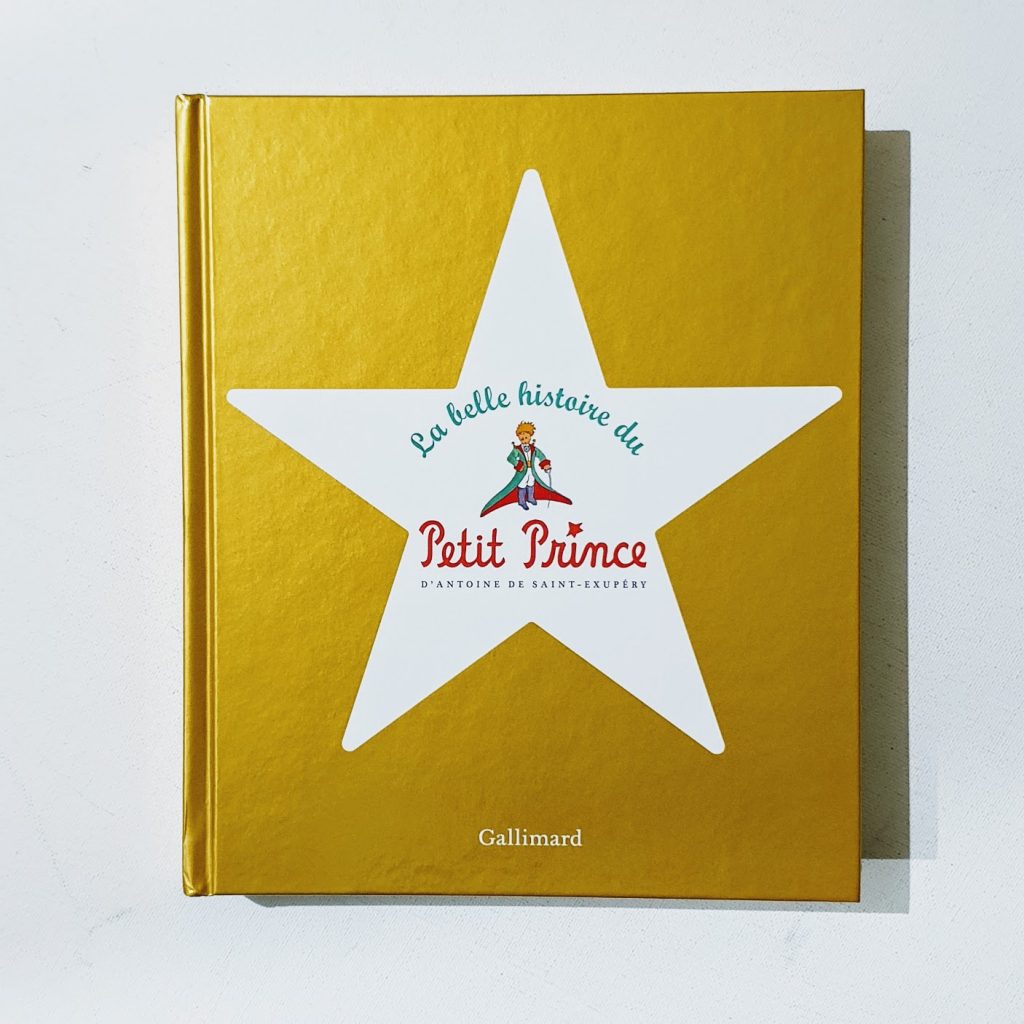
75th Anniversary Edition, published by Gallimard, 2018.
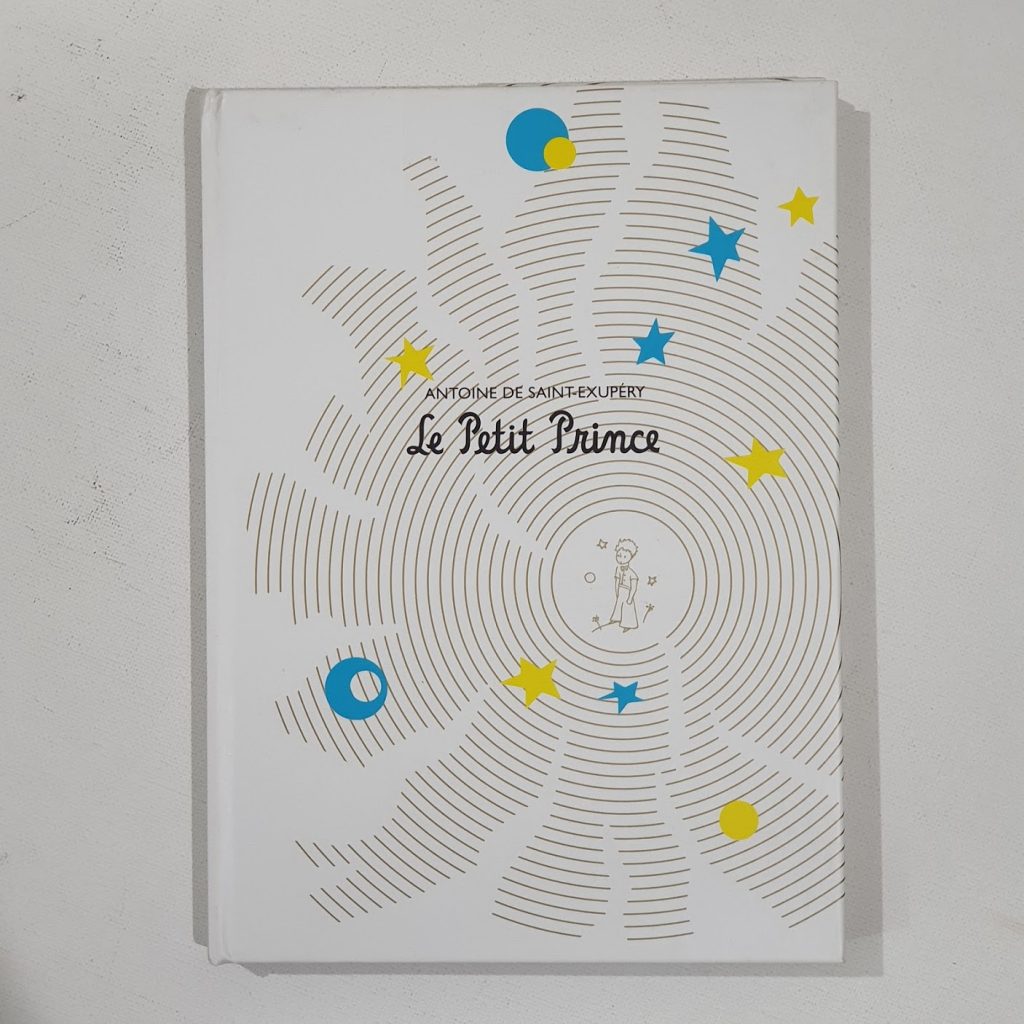
70th Anniversary Edition, published by Gallimard, 2013.
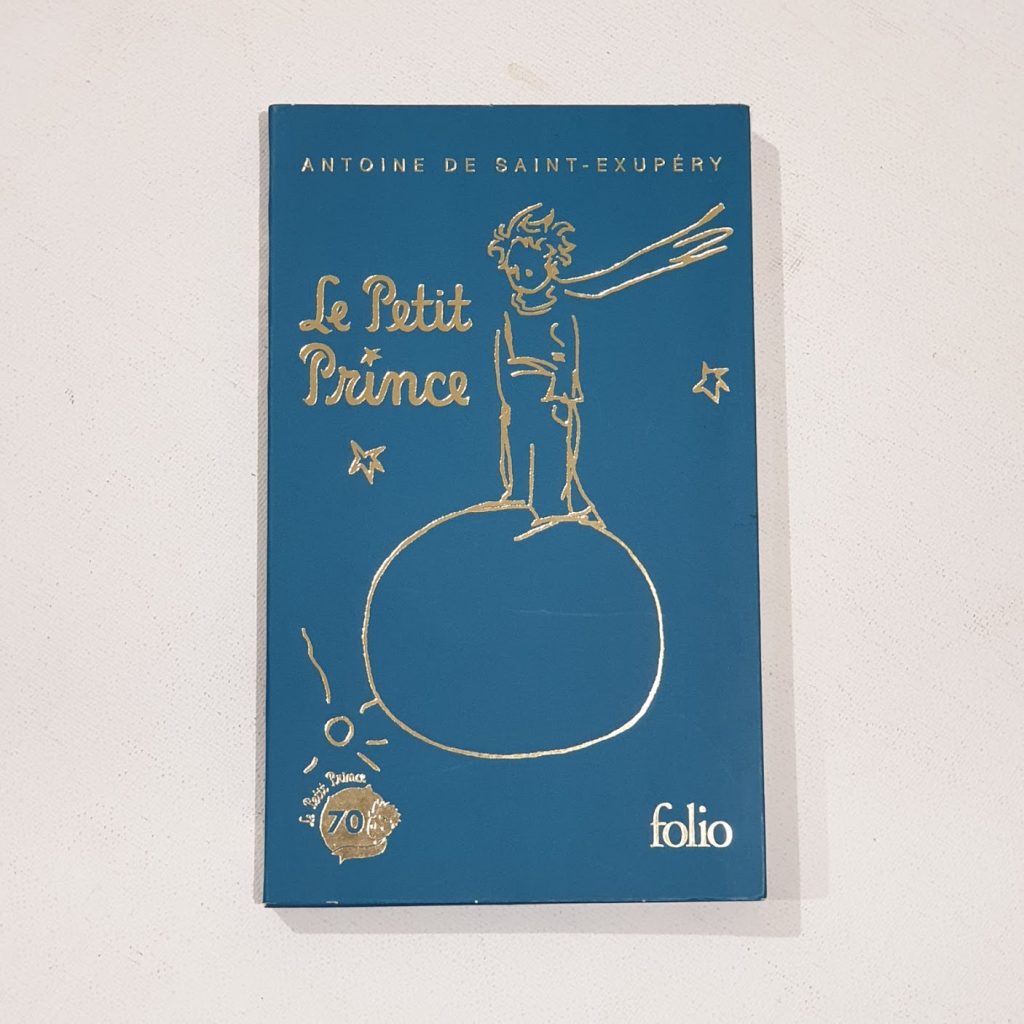
Small 70th Anniversary Edition, published by Folio. I bought this one in Luxembourg.
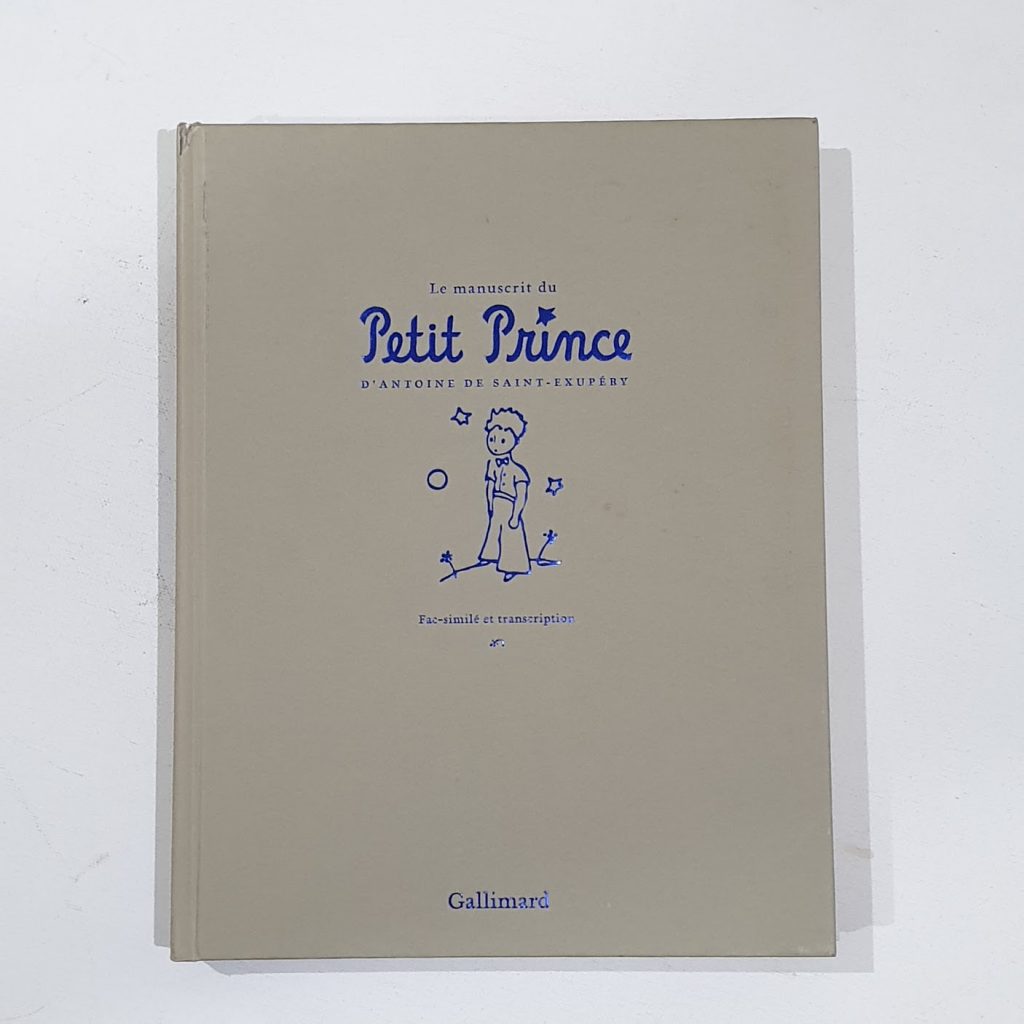
The Original Manuscript. This one, I bought in Paris.
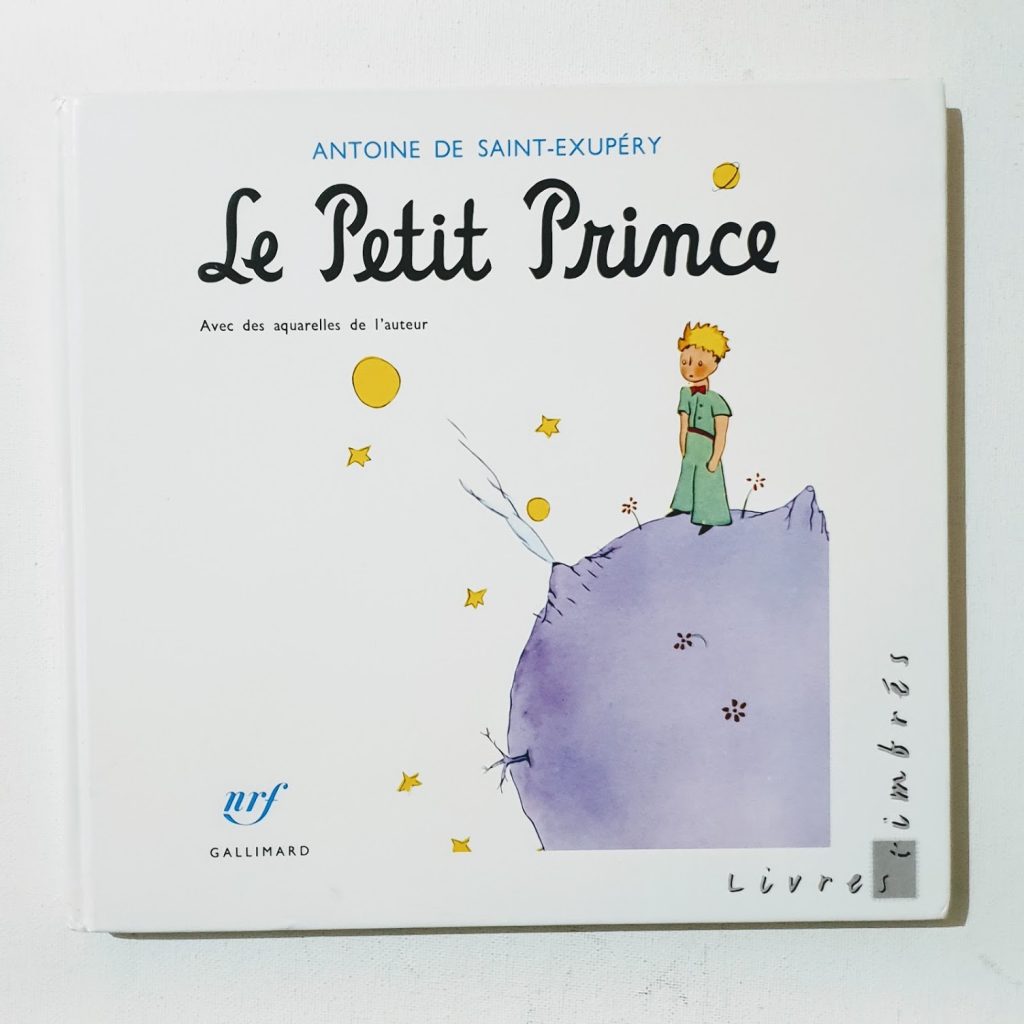
Special edition with commemoration stamps.
Other Editions
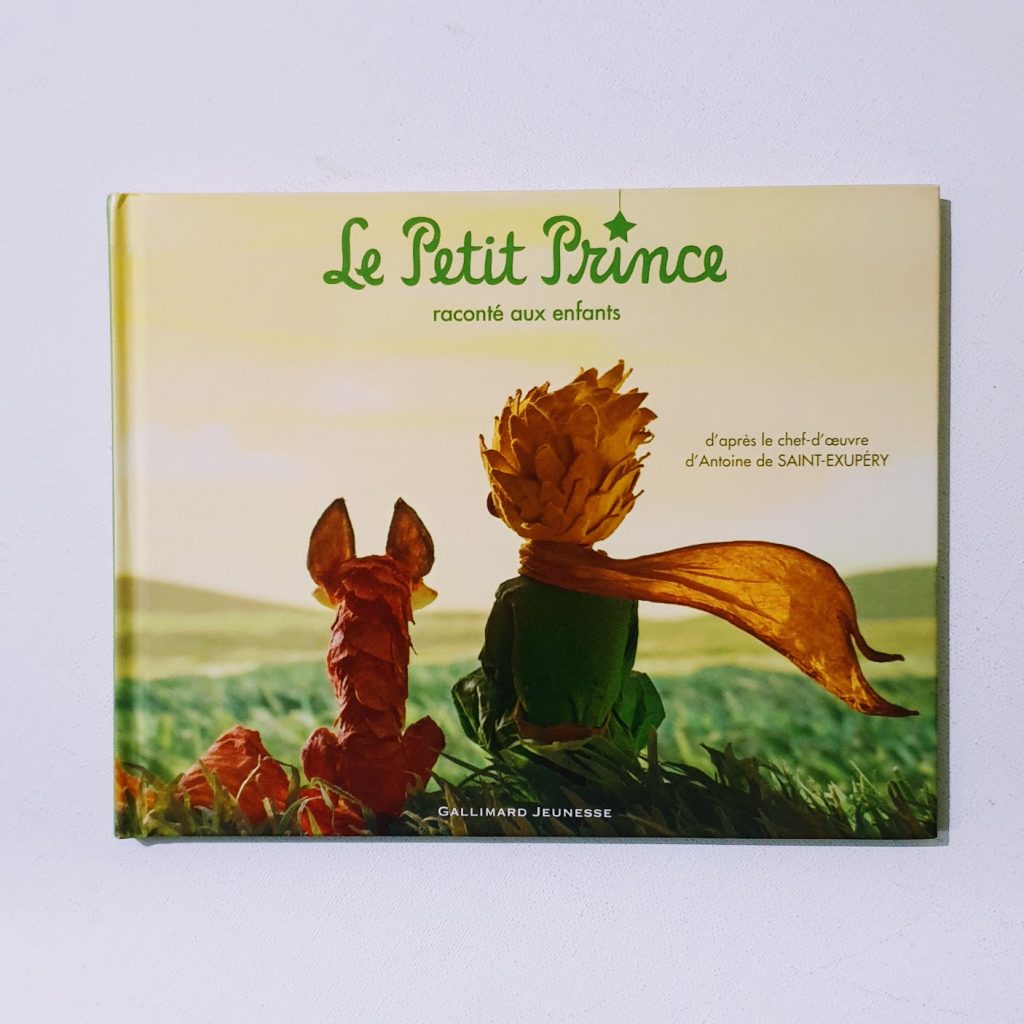
Le Petit Prince — a film adaptation edition